Picasso’s Muses: Why Sylvette David Stands Apart

Throughout his long and prolific career, Pablo Picasso was famously inspired by the women in his life, many of whom became not only his companions, but the emotional and artistic fuel behind some of his most iconic works. From Fernande Olivier and Dora Maar to Marie-Thérèse Walter and Françoise Gilot, Picasso’s muses were often lovers, entangled in complex, and sometimes volatile, relationships with the artist. His portraits of them are charged with intimacy, obsession, and transformation; women reimagined through shifting phases of Cubism, Surrealism, and abstraction.
Yet in 1954, a young woman named Sylvette David stepped into the frame and marked a quiet departure from Picasso’s familiar pattern of possession and control.
Sylvette was not Picasso’s lover, nor part of his inner circle. Just 19 years old, reserved, and already engaged to someone else, she came into Picasso’s life briefly and without drama. But her serene presence and iconic silhouette, especially her high ponytail captivated him at a moment of personal and artistic transition. Over the course of just a few weeks, she became the subject of more than 60 artworks, ushering in what ‘Life’ magazine would later call his “Ponytail Period.”

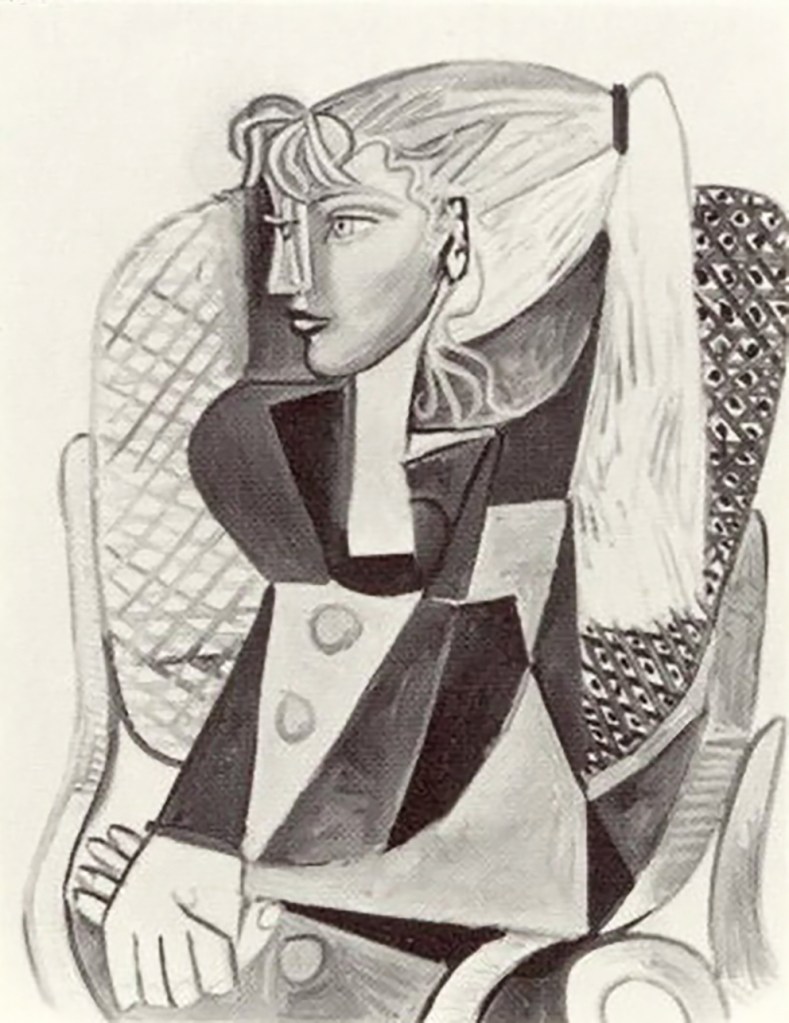
Unlike many of Picasso’s muses, Sylvette remained unattainable, and perhaps because of that, she became something more abstract: a symbol of modern femininity, youth, and distance. Her influence was cultural as well as artistic; transforming not just Picasso’s work, but also fashion, photography, and the post-war ideal of the independent woman.
In later years, Sylvette would go on to become the artist Lydia Corbett and spoke not of being possessed by Picasso, but empowered by him. She stands apart as the muse who, rather than being defined by the painter’s gaze, quietly took the lessons of observation and transformed them into her own creative life.
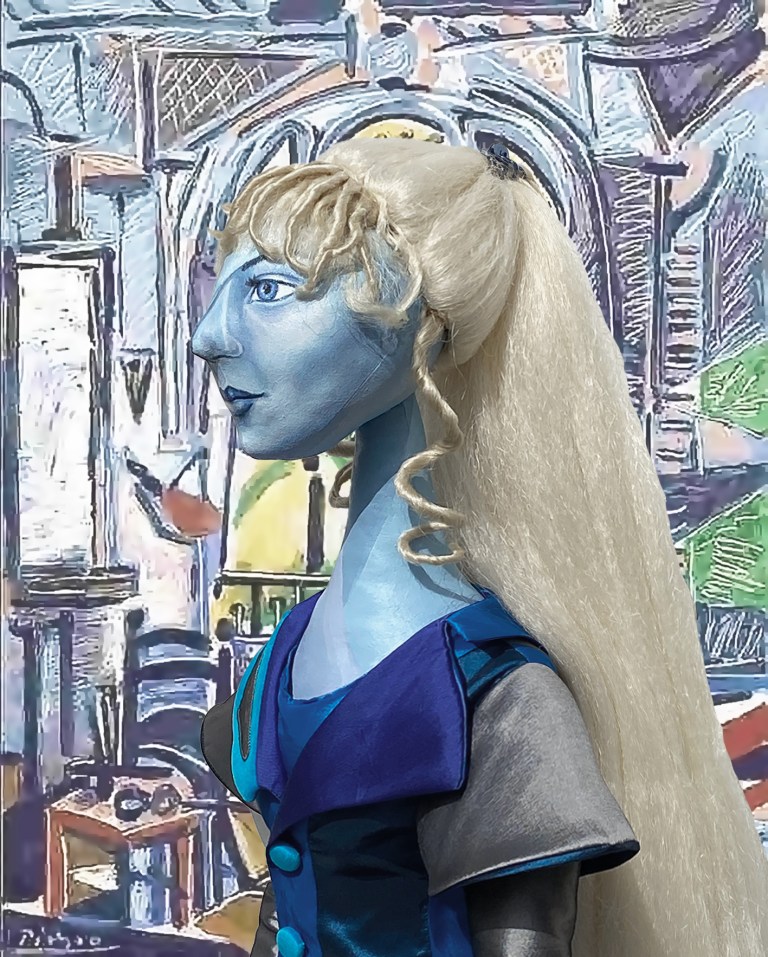
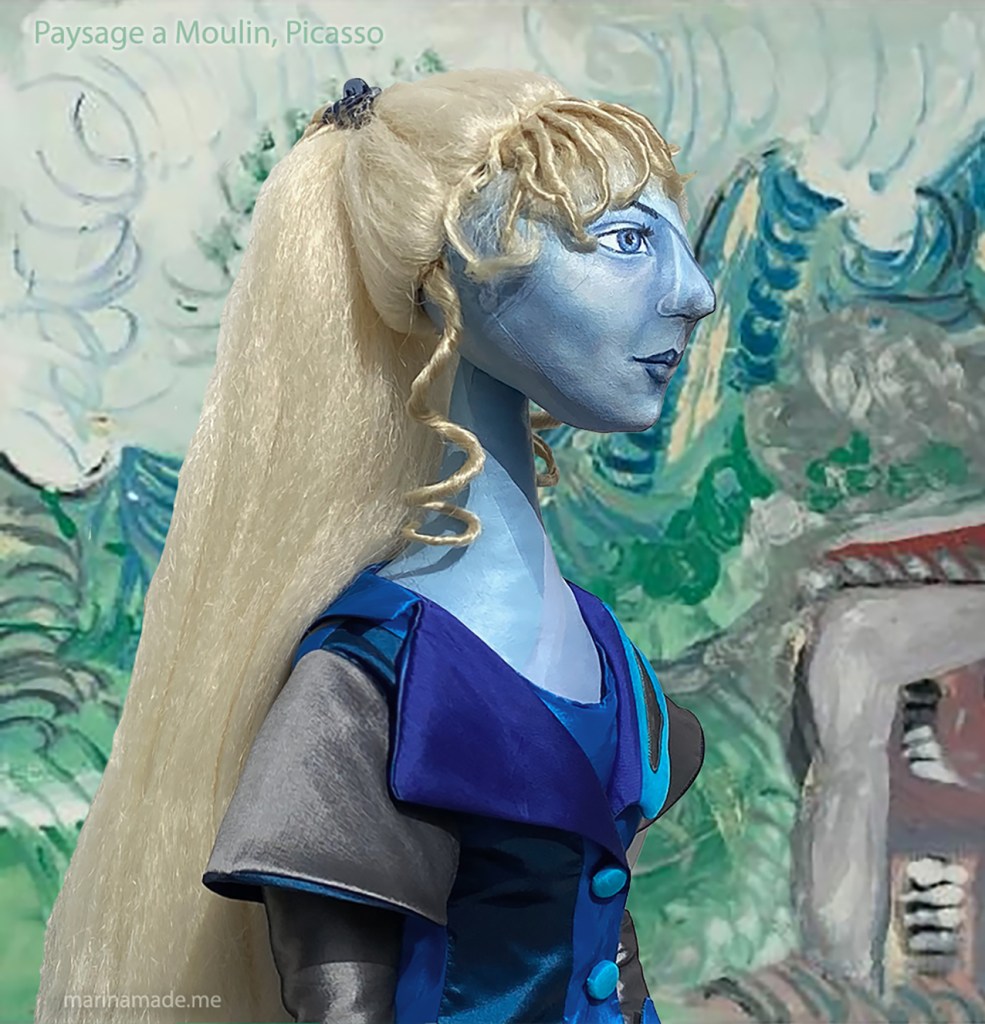
Artist’s Note: Sylvette Muse a Face in Blue and Grey
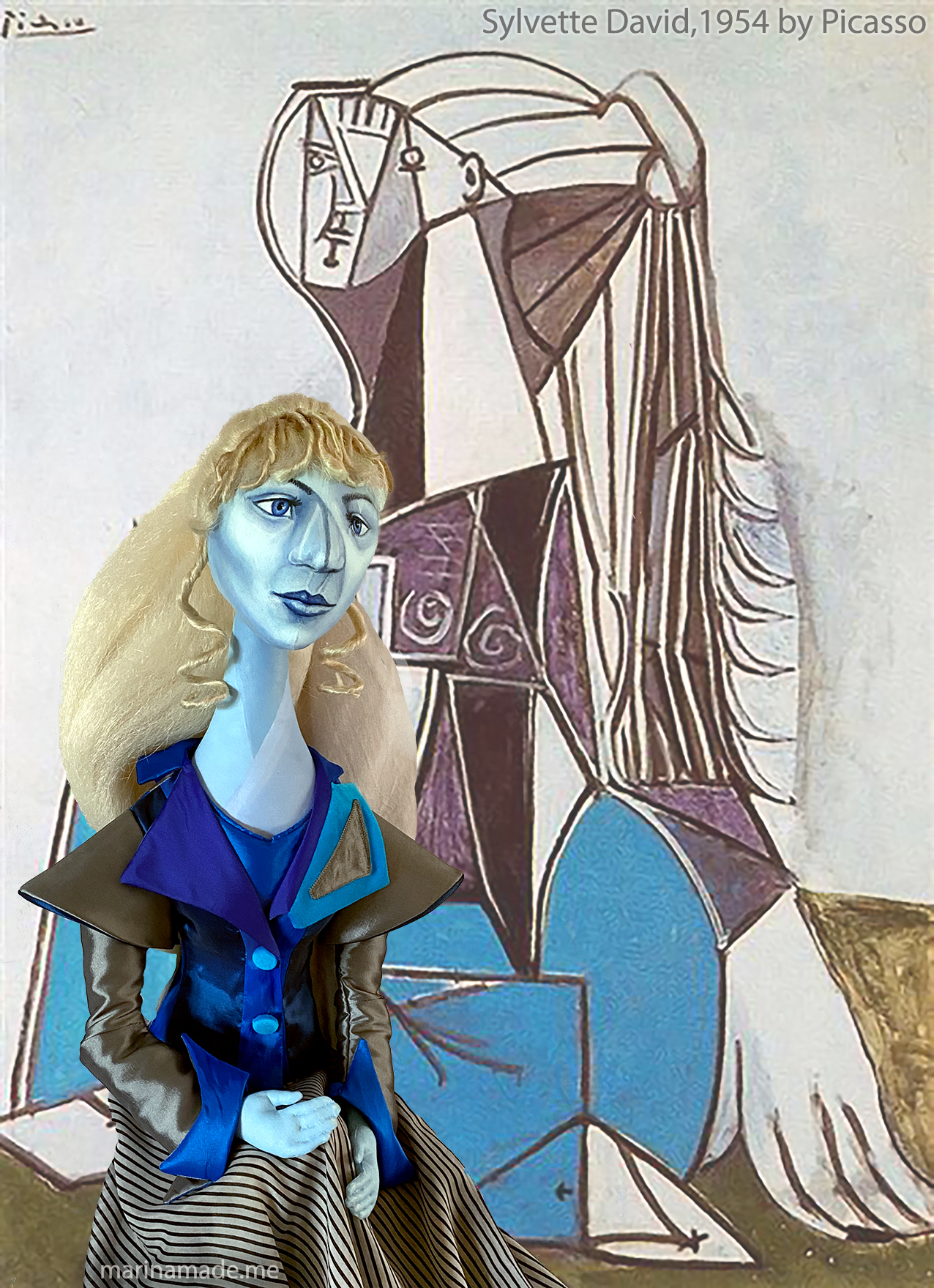

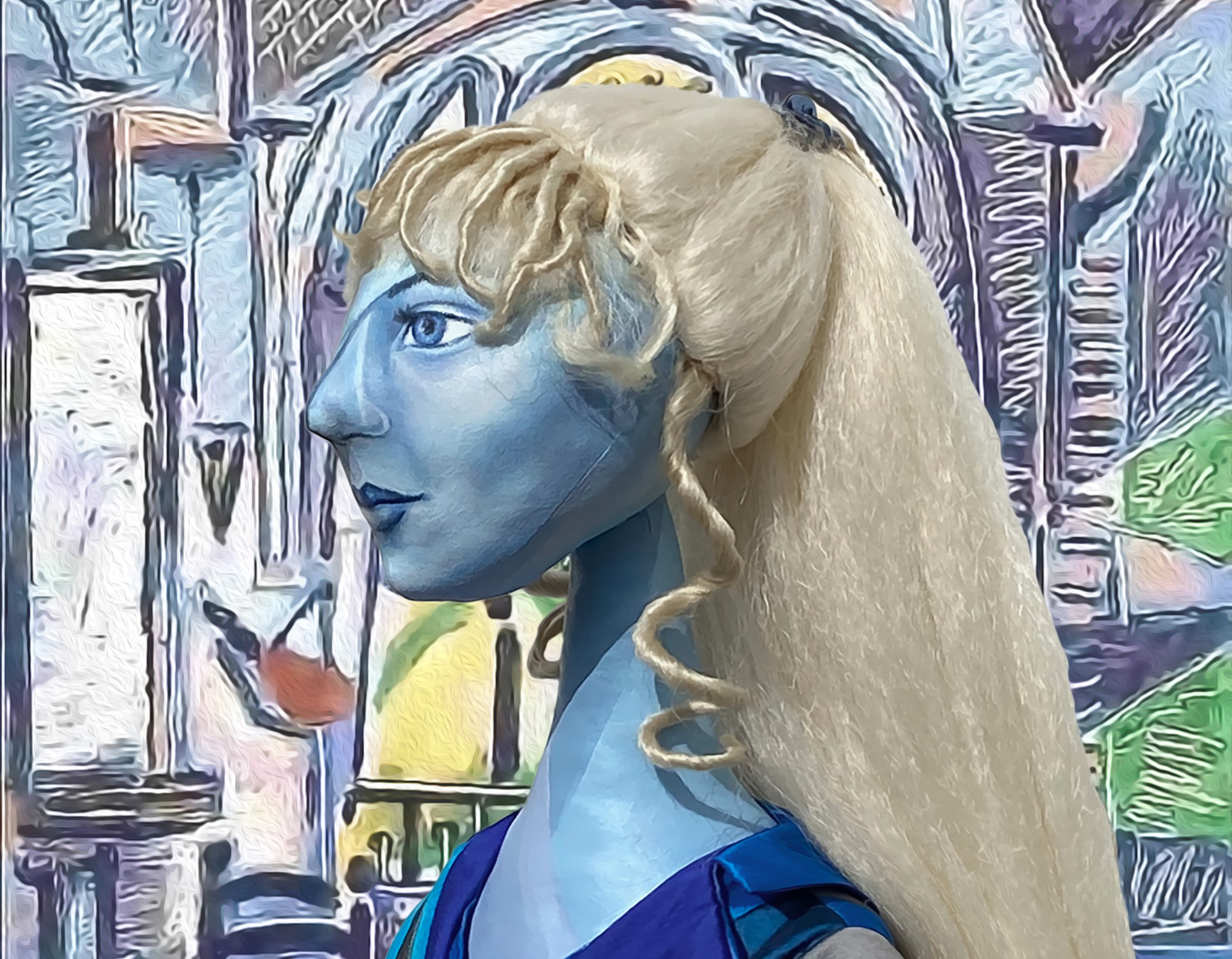
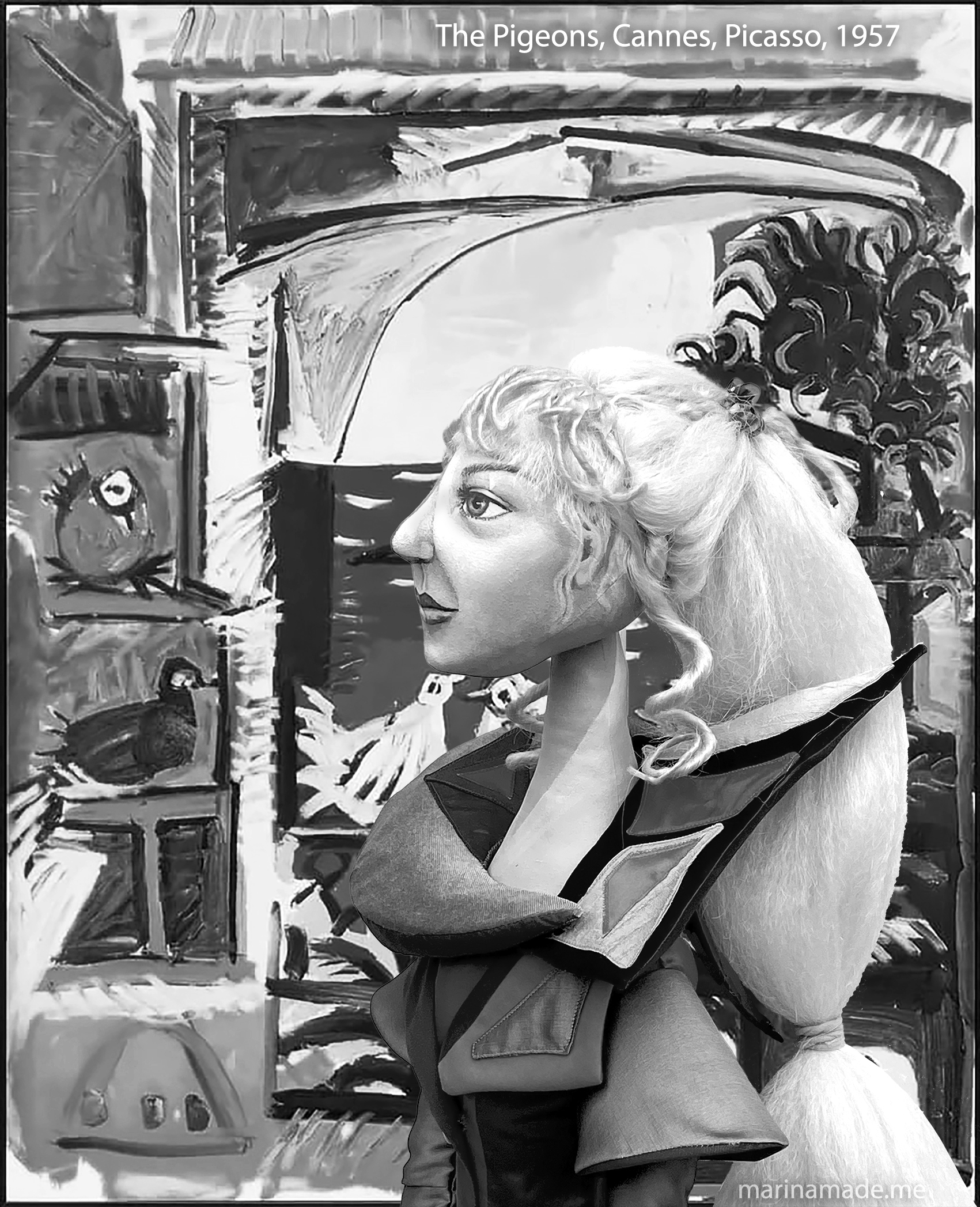
This soft sculpture represents Sylvette David, reimagined through the lens of how Picasso saw her, in a slightly abstracted, cubist-inspired form. Her distinct profile and signature high, blonde ponytail are central to the piece, echoing the way she appeared in Picasso’s paintings and sculptures from his Ponytail Period.
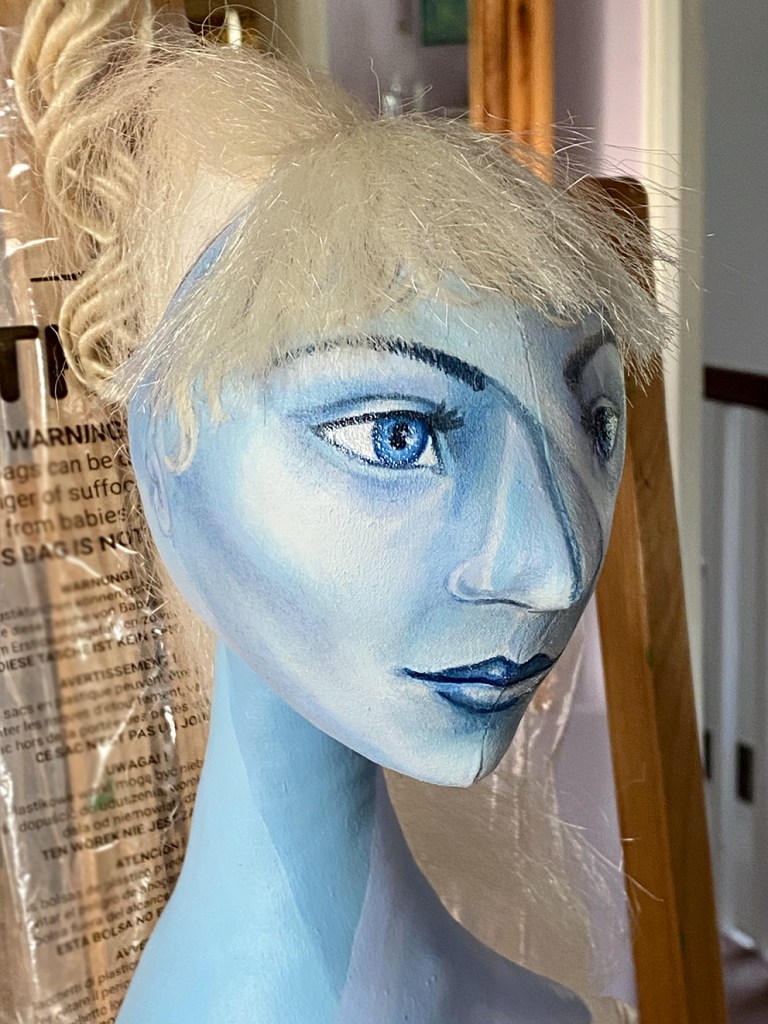
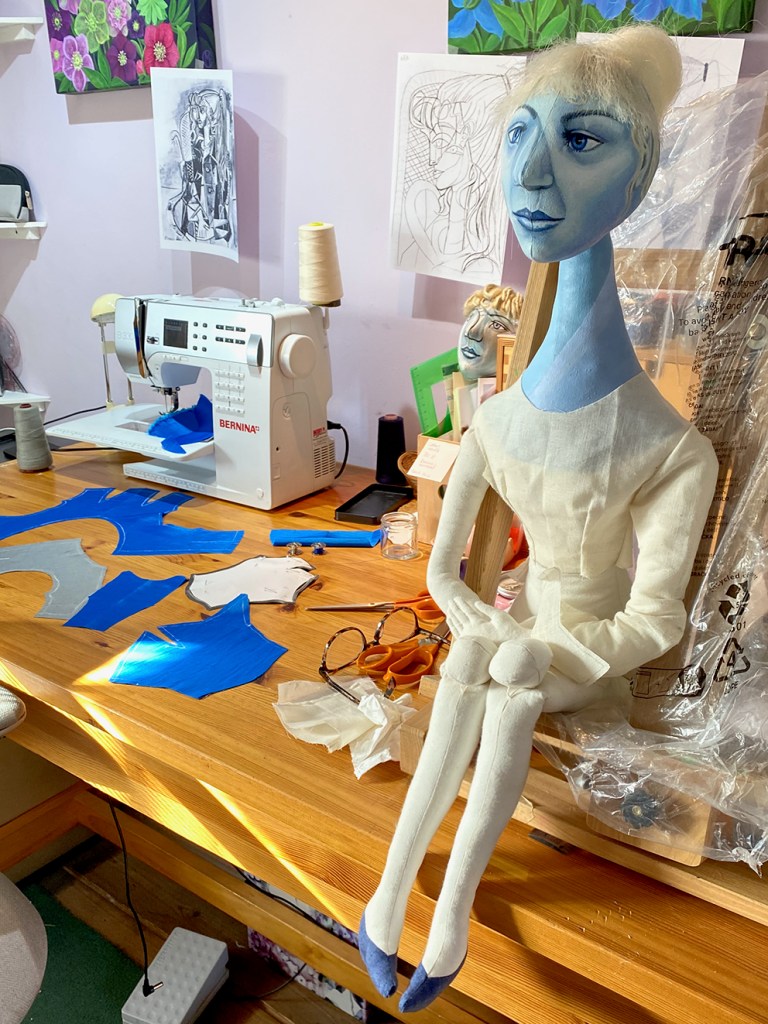
I chose muted greys and soft blues for the fabric palette, echoing the tonal restraint of Picasso’s portraits of Sylvette, cool, composed, and serene. They carry something of her stillness, her modernity, and the distance she held between herself and the artist’s gaze.

Life Before The Ponytail
Sylvette David, later known as Lydia Corbett, was born on November 14, 1934, in Boulogne-sur-Mer, France, although she is often associated with Paris, where her early life was shaped by a bohemian and artistic environment. Her father, Emmanuel David, was an
art dealer with a gallery in Paris, while her mother, Honor David-Gell, had studied at the prestigious Académie Julian and encouraged Sylvette’s early interest in drawing. The couple separated when Sylvette was still a young child, so she and her brother, were raised by their mother, who eventually left Paris for the South of France.
During the Second World War, Sylvette and her mother lived in a naturist community on the Île du Levant, a small Mediterranean island off the French Riviera known for its alternative lifestyle and intellectual community. The experience of growing up in this alternative, free-spirited environment, surrounded by art, nature and intellectuals, would leave a lasting impression on her.
As a teenager, she briefly attended Summerhill School in England, known for its radical educational philosophy and progressive teaching (with the belief that the school should be made to fit the child, rather than the other way around). Sylvette returned to France in the early 1950s and settled with her mother in Vallauris, a town known for its ceramics and artistic community.

By 1954, Sylvette was living in Vallauris with her fiancé, Toby Jellinek, a young English sculptor and furniture designer. At that time, Pablo Picasso maintained a studio on Rue du Fournas, and the couple encountered the artist when he purchased two chairs from Jellinek. They delivered the chairs to Picasso’s studio, where Sylvette, then just 19 years old, was introduced to the artist. Describing herself as very shy, she let Toby do most of the talking. However, Picasso had already become fascinated with her.

The Shape of a Ponytail
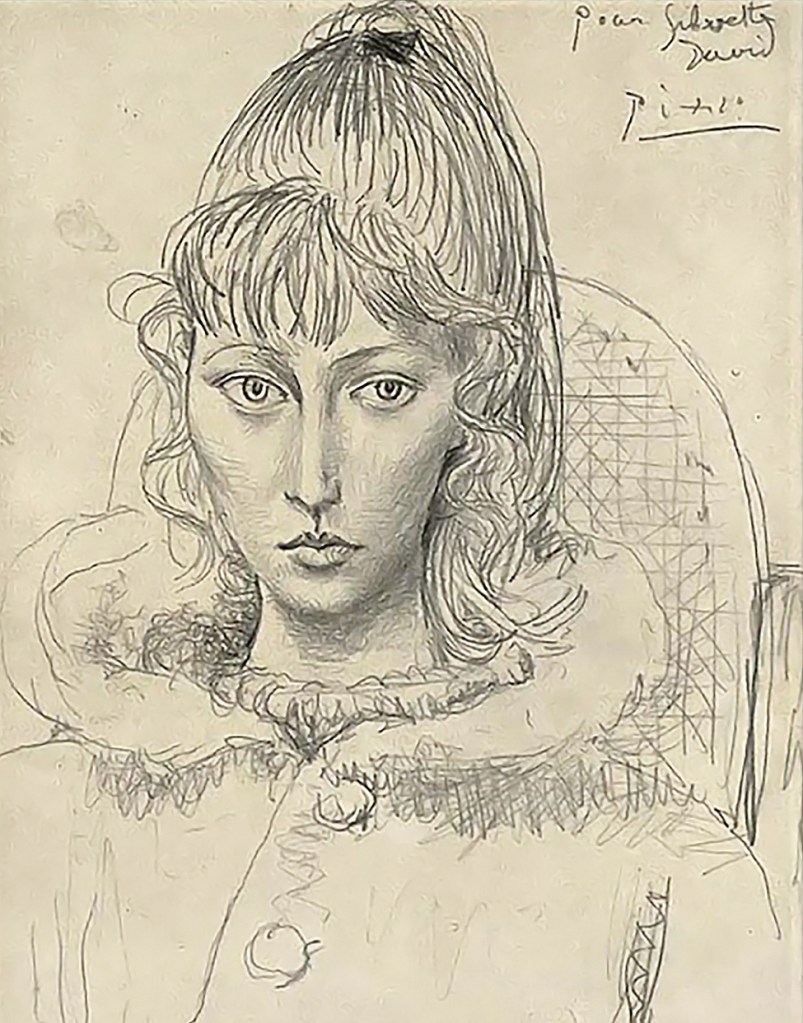
Picasso had noticed her passing by his studio on her way to visit her fiancé, her high ponytail catching his eye. The hairstyle, which Sylvette said was inspired by a ballet dancer her father had once admired, struck Picasso as almost classical, like a helmet from antiquity. A few days after their initial meeting, Sylvette saw Picasso holding up a portrait of her, drawn from memory, which he held out of his studio window. She took it as an invitation.
When she and her friends knocked on his door, Picasso greeted her warmly and exclaimed, “I want to paint you—paint Sylvette!”


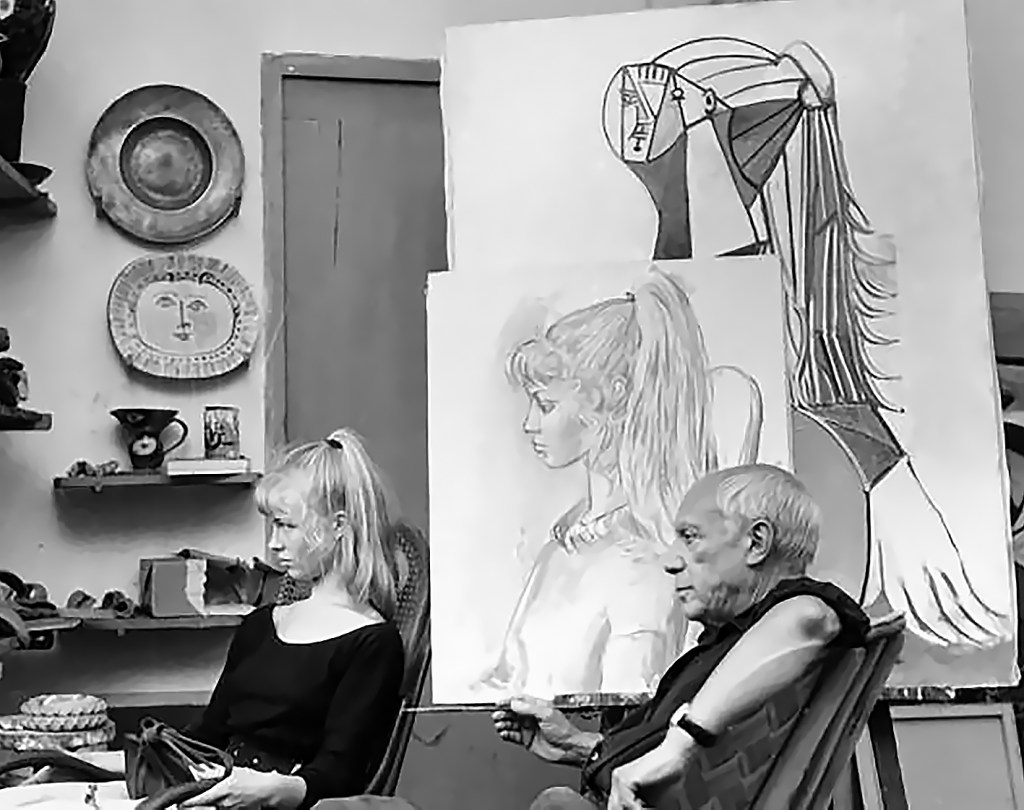
Between April and June of 1954, Sylvette became one of Picasso’s most prominent muses. She posed for him regularly, and he produced over 60 works inspired by her, including drawings, lithographs, sculptures, and 28 paintings. At a time when Picasso was separating from Françoise Gilot, Sylvette’s presence ushered in a new and more serene period in his work. Notably, unlike many of Picasso’s earlier muses, Sylvette remained a platonic figure, his “last, unattainable love.”
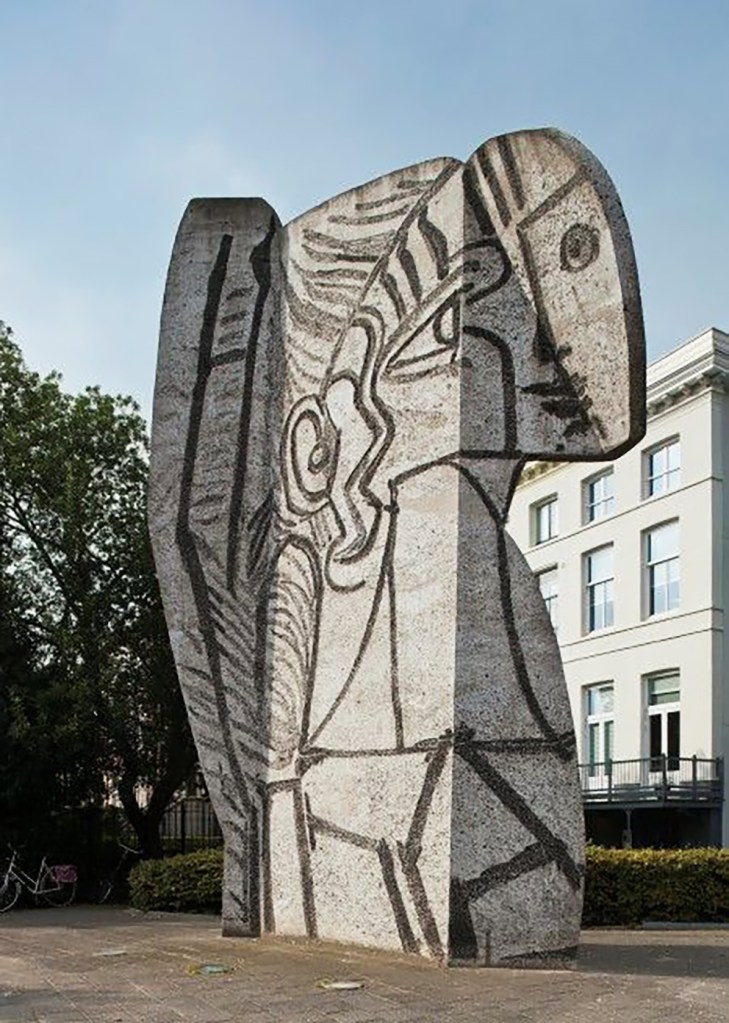


The Ponytail Period

In May 1954, the Sylvette series was exhibited in Paris to wide acclaim. Life magazine declared the beginning of Picasso’s “Ponytail Period,” and the image of Sylvette, cool detached and iconic, came to define a new feminine archetype. On May 5, Sylvette awoke to find herself famous; people in Vallauris were asking for her autograph. Her image, immortalised by Picasso, had come to embody a post-war generation of youth.
Art historian Klaus Gallwitz later wrote:
“What makes the Sylvette portraits remarkable is that through Picasso’s paintings, this young girl came to typify a whole generation… For the first time since the war, one of Picasso’s portraits had become the idol of a rising generation.”
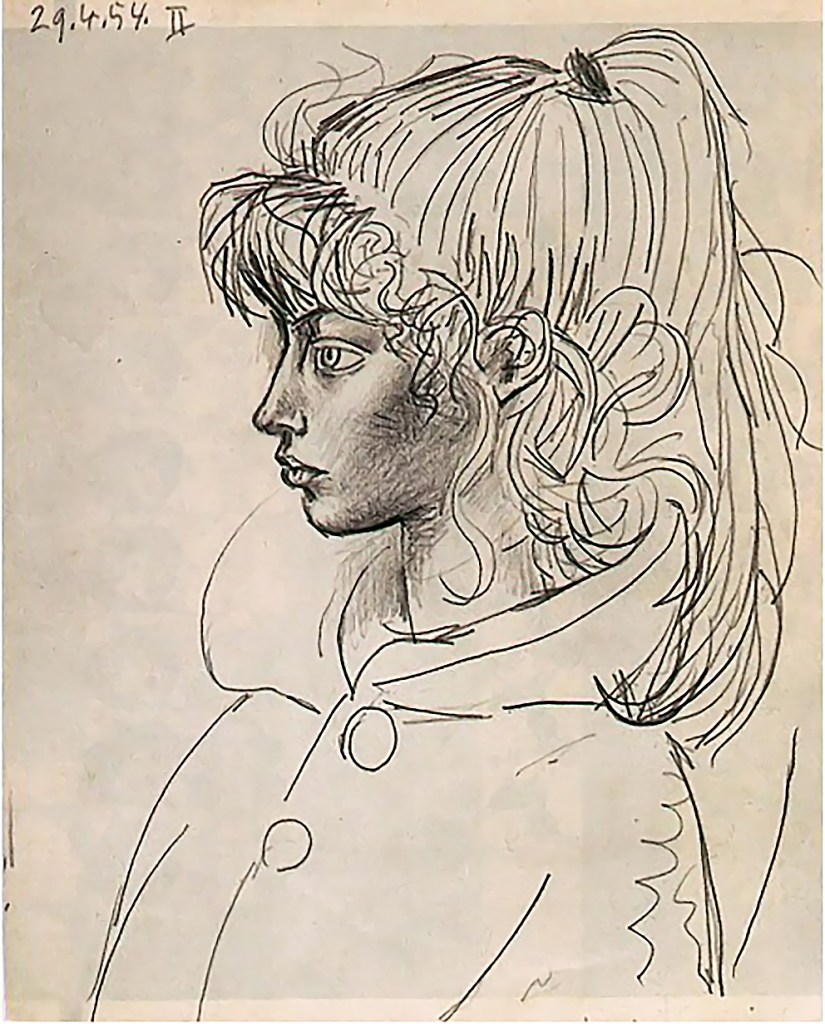
The ponytail that had so captivated Picasso, became a fashion statement. Even Brigitte Bardot adopted the look after seeing Sylvette in Cannes.
In her autobiography, Bardot wrote, “I went to see Picasso, but as he had already done Sylvette David, he didn’t want to do me.”

Shortly after her rise to fame, Sylvette married Toby Jellinek, and they had a daughter named Isabel. However, the marriage did not last. When Sylvette was 27, Toby confessed to being in love with her best friend.
The betrayal deeply affected her, and in the aftermath of the separation, she turned to Christianity for solace and spiritual meaning.

Becoming Lydia

Eventually, Sylvette relocated to Devon, England, a place she would come to consider home. In 1968, she married her second husband, Rawdon Corbett, and adopted both his surname and a new first name, Lydia. The couple had two children, Alice and Lawrence and Lydia was baptised as a Christian at age 36.
It wasn’t until her forties, after raising her children, that Lydia began to pursue painting seriously. Working in oil, watercolour, and mixed media, she developed a lyrical and intuitive style, often incorporating dreamlike figures, inner worlds, and found materials.

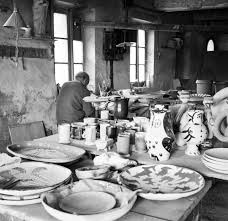
Picasso’s influence
“He gave me confidence, really,” she later said, referencing her own role as an artist. “I learned through seeing him do it. He gave me the key to creation.”
“Picasso gave me the wish to paint on anything. To create with just a piece of wood, a stone and a piece of metal. I paint on driftwood and bottles, and of course, walls. I have painted on clocks, and furniture and a guitar too. My house is full of frescoes – really, my whole life has been in the arts and very creative.”
Lydia embraced a philosophy of everyday creativity, allowing art to permeate her surroundings. In 1989, she began exhibiting with the Francis Kyle Gallery, and has since enjoyed a successful career as a professional artist. Her work has been shown in France, Germany, Japan, and across Britain, earning recognition independent of her early fame as Picasso’s muse.
Though she will always be remembered as the girl with the ponytail who sparked a new visual era in Picasso’s work, Lydia Corbett has long since stepped out from behind the canvas,
telling her story, on her own terms, in her unique voice.
To discover more about Lydia Corbett and her own work, go to her website: https://www.iwassylvette.com/


Acknowledgements and further reading:
https://arttrekgallery.com/tpost/fs92r4ifn1-sylvette-david-picassos-muse-and-her-las
https://lady.co.uk/%E2%80%98picasso-heaven-he%E2%80%99s-still-me%E2%80%A6%E2%80%99
https://awaken.com/2024/10/what-happened-to-picassos-mysterious-teenage-muse/
 marina's muses
Also your own sculpture is very engaging.
LikeLiked by 1 person
Thank you, I’m glad that you see Sylvette in my textile sculpture. Her short time with Picasso reinspired him when he was at a personal low.
LikeLiked by 1 person
Thank you for this. A really interesting post.
LikeLiked by 1 person
.Dear Marina, Hope you are feeling better and thankyou for Marinas muses they are so interesting.
LikeLike