
Muse n.
The source of an artist’s inspiration.
In Greek and Roman mythology nine sister goddesses, the daughters of Zeus and Mnemosyne were muses who presided over the arts and sciences.
Muse v.
To think or meditate on a subject thoroughly and thoughtfully. Ponder, contemplate, ruminate.
Marina’s Muses
Marina’s Muses is a body of soft-sculpture portraits exploring the women who inspired many of the most celebrated artworks of the nineteenth and twentieth centuries. Created through hand-dyeing, painting and stitched construction, each textile figure reinterprets a historical muse while reflecting the visual language of the artist who once depicted her.
Alongside the sculptural works, research into the lives of these women offers a broader perspective on their roles within artistic circles, reconsidering narratives that have often reduced them to passive figures. The project invites viewers to encounter the muse anew, not simply as subject, but as a presence within the creative exchange that shaped the history of art.
About my work
Over the past ten years I have been developing a body of three-dimensional figurative works in textiles, inspired by artists and the women who modelled for them. The project has involved researching the artists’ work, studying their distinctive painting styles, and learning about the lives of their models in order to capture both the character of the muse and the visual language of the artist.
I have worked professionally as an illustrator and textile artist since the mid-1980s, specialising in batik portraiture while continually experimenting with three-dimensional forms and a wide range of textile techniques. My long-standing interest in portraiture, combined with a deep love of textiles, naturally led me to the idea of the ‘doll’ as a vehicle through which to explore and reinterpret the female muse.
I admit to feeling slightly ambivalent about the word doll, as it can carry pejorative associations, suggesting something decorative, domestic or infantile. For that reason I prefer to think of these figures as soft sculpture, a term that both elevates the medium and reclaims the idea of the female muse as a potent and compelling subject, one capable of inspiring, informing and enduring beyond the canvas.
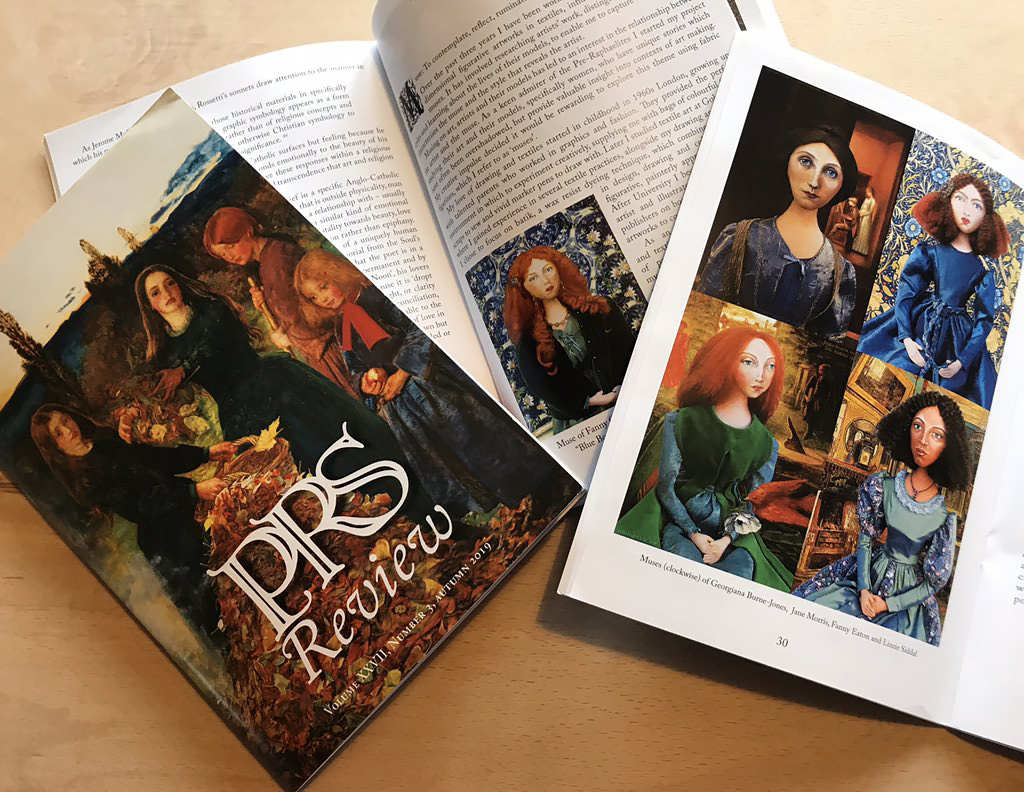
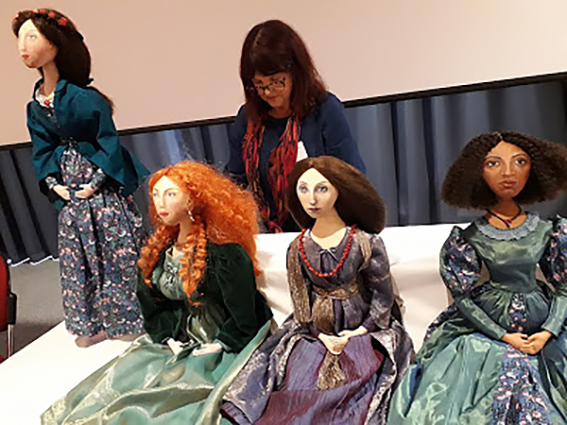
Some of my Pre-Raphaelite muses were featured in The Pre-Raphaelite Sisters conference in York, alongside notable academics and historians, who were there to talk about women as artists throughout the Victorian age, and where their legacy will continue into the future.

Publications
“ Marina’s Pre-Raphaelite Muses”, article in the Pre-Raphaelite Society Review, November 2019. left
After a talk at York University, during the ‘Pre-Raphaelite Sisters: Making Art’ conference. right
The idea
When looking at paintings, I am often drawn to the female figures within them, the muses and models who imbue the artwork with their presence and persona. I find myself wondering how important they are in expressing the ideas of the painter.
Does the model bring something of herself that shapes the meaning of the painting, or is the artist imposing his own narrative upon her, shaping her in his colours and ideas? Perhaps the relationship works both ways: the model inspires the artist and becomes his muse, while the artist interprets and transforms her image to tell a story.
This dynamic can be seen particularly in the works of artists such as Rossetti and Burne-Jones of the Pre-Raphaelite circle, as well as Botticelli, Modigliani, Mucha and Klimt, among many others.

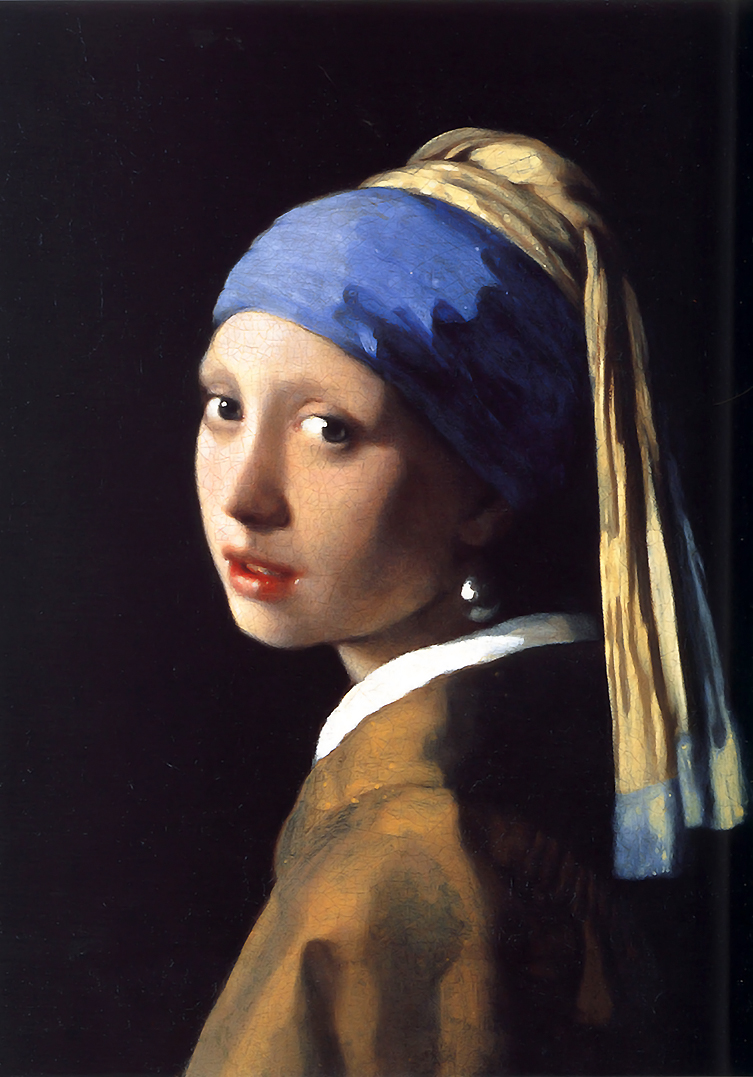
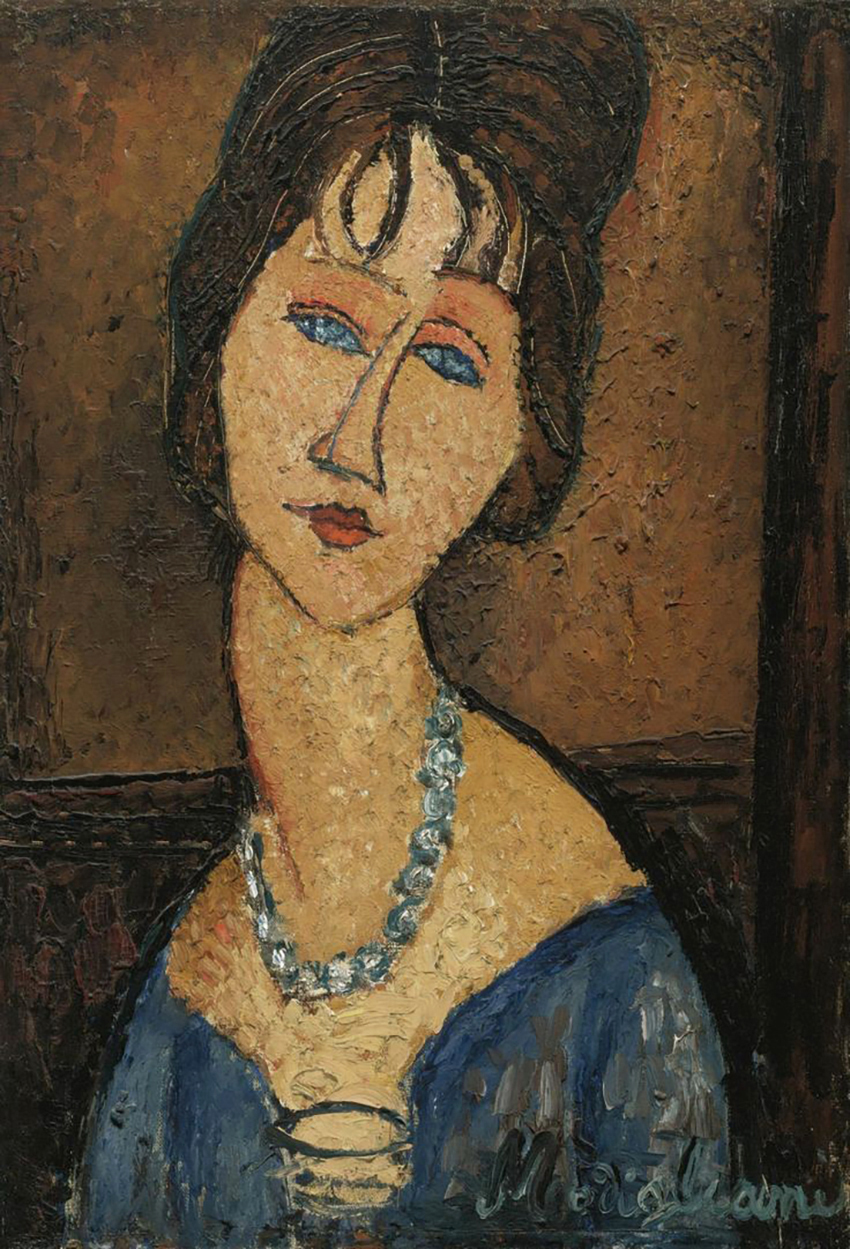
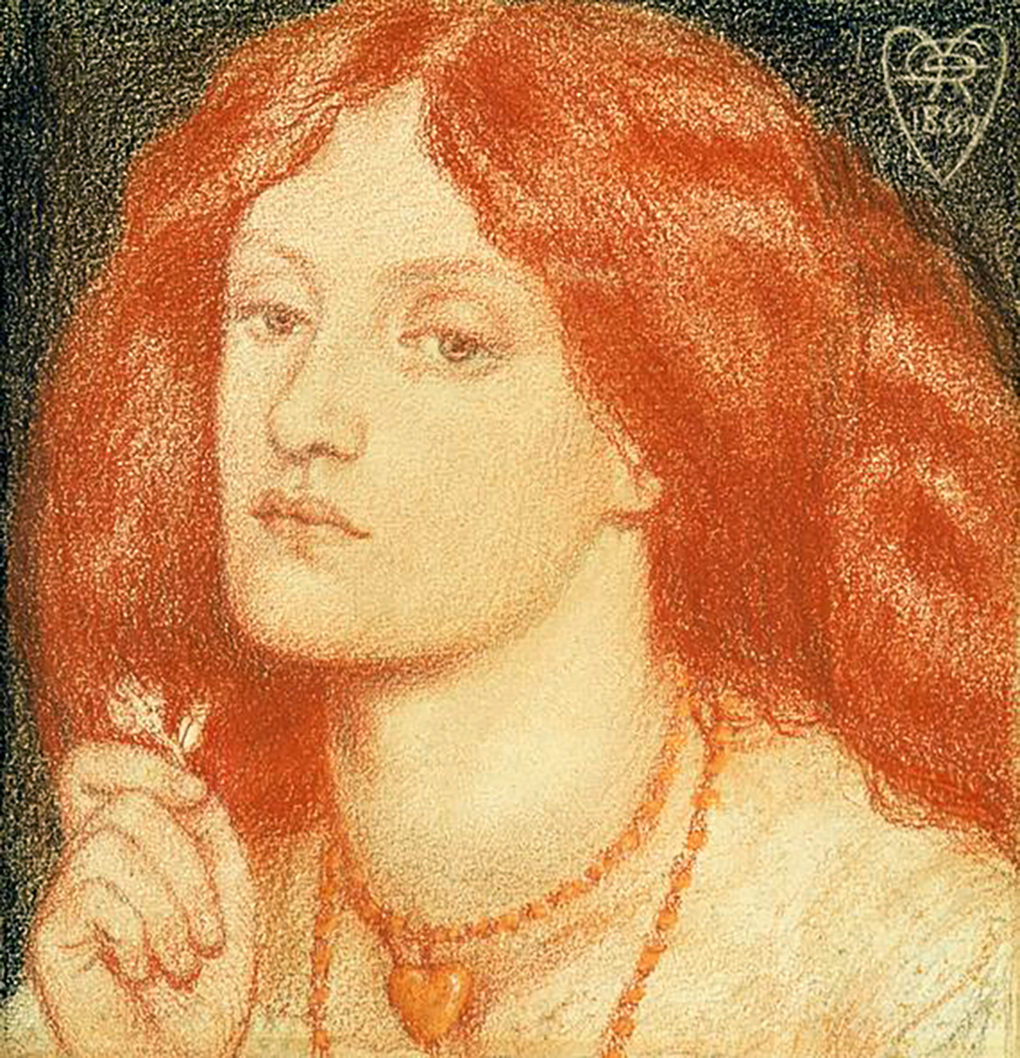

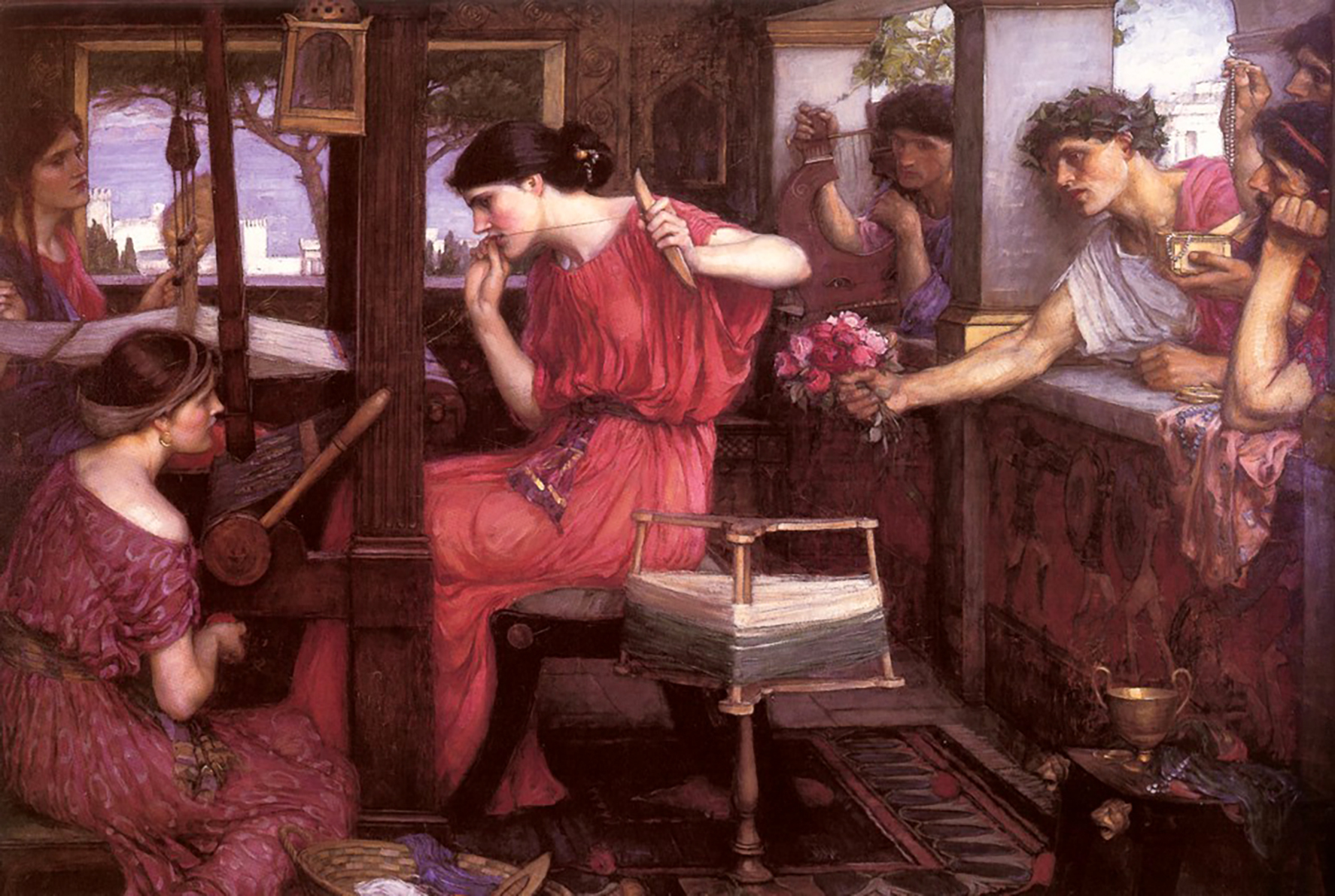
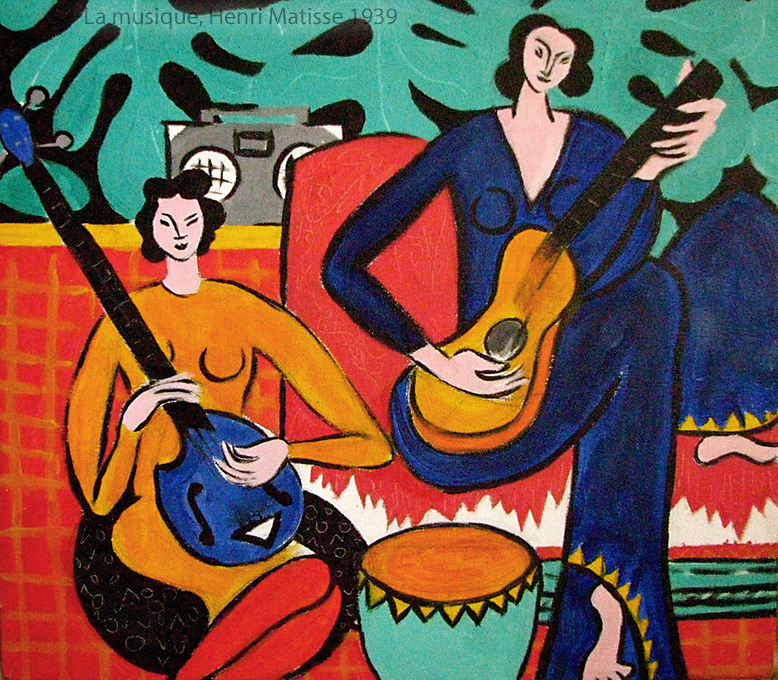
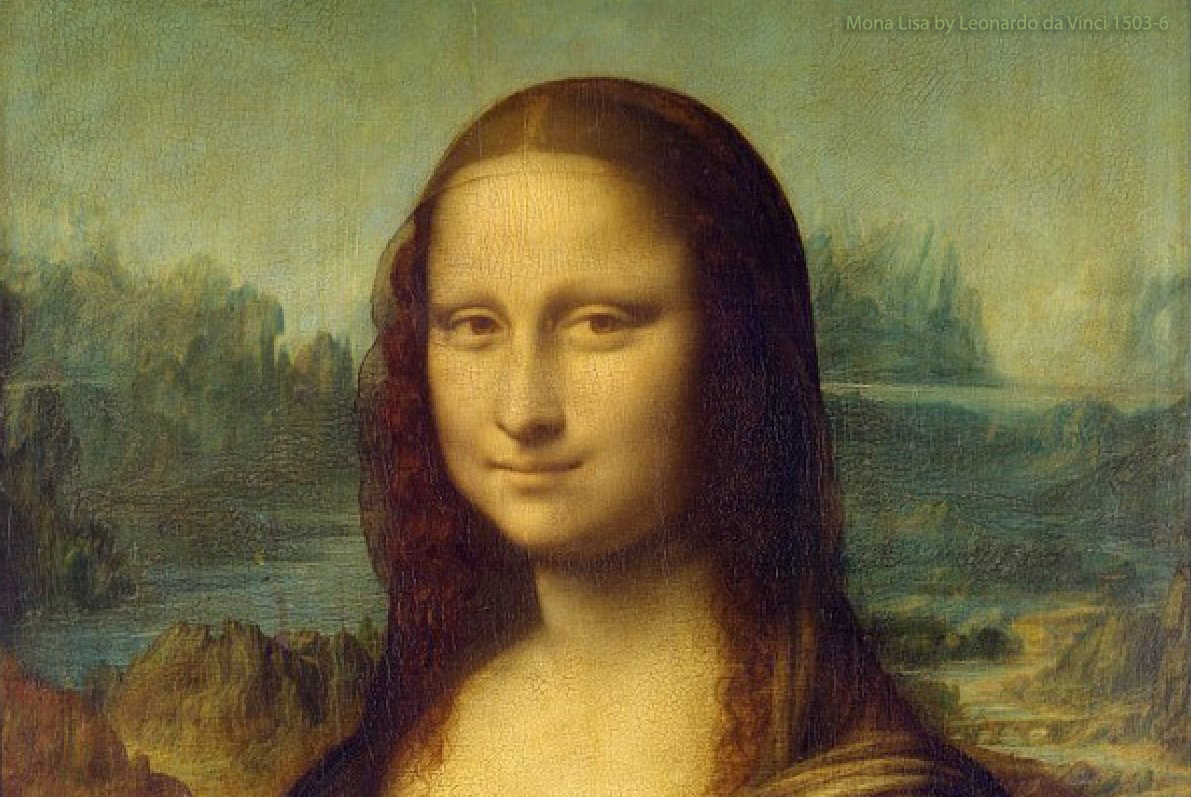
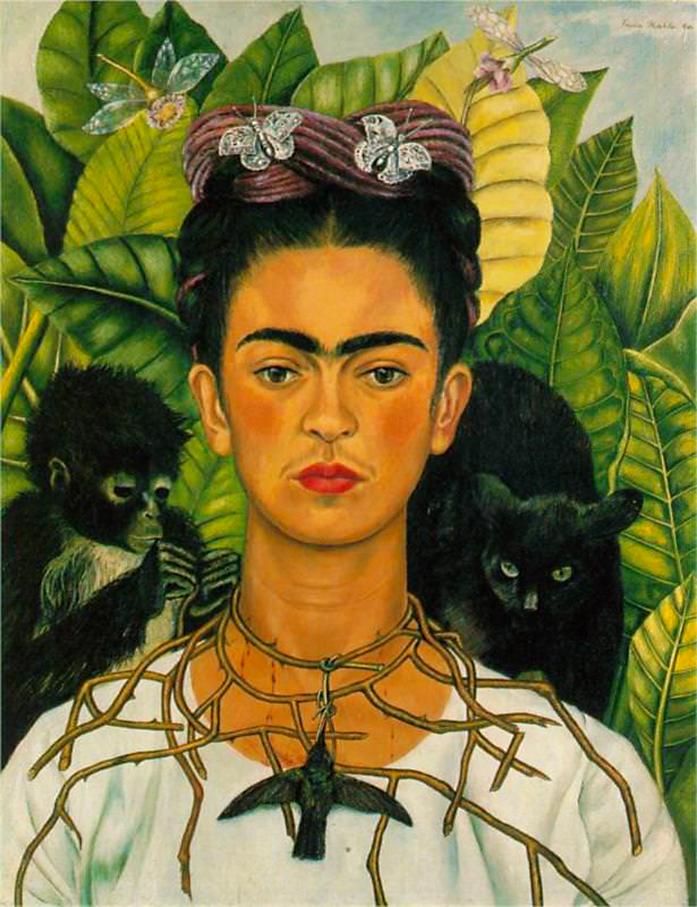
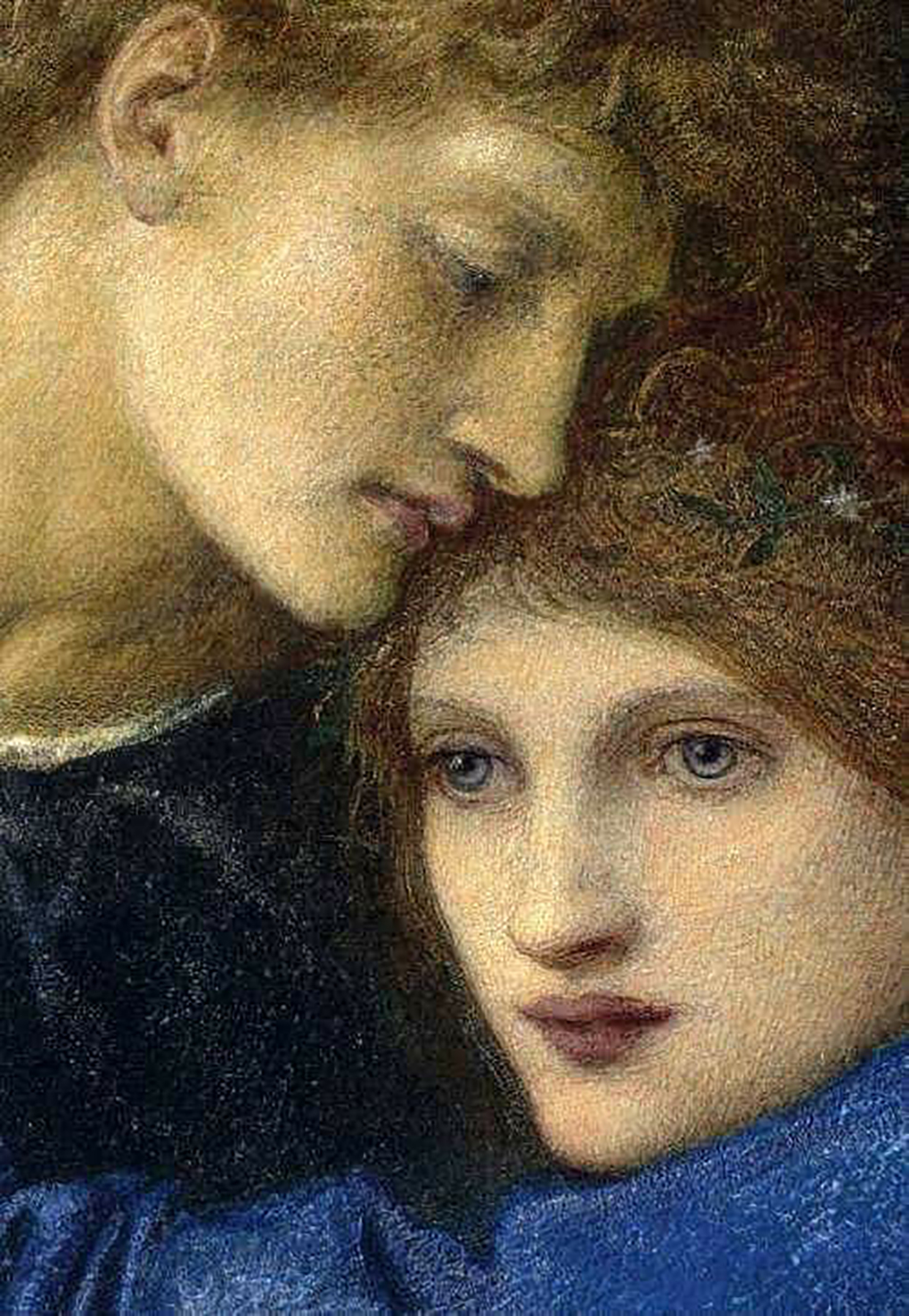
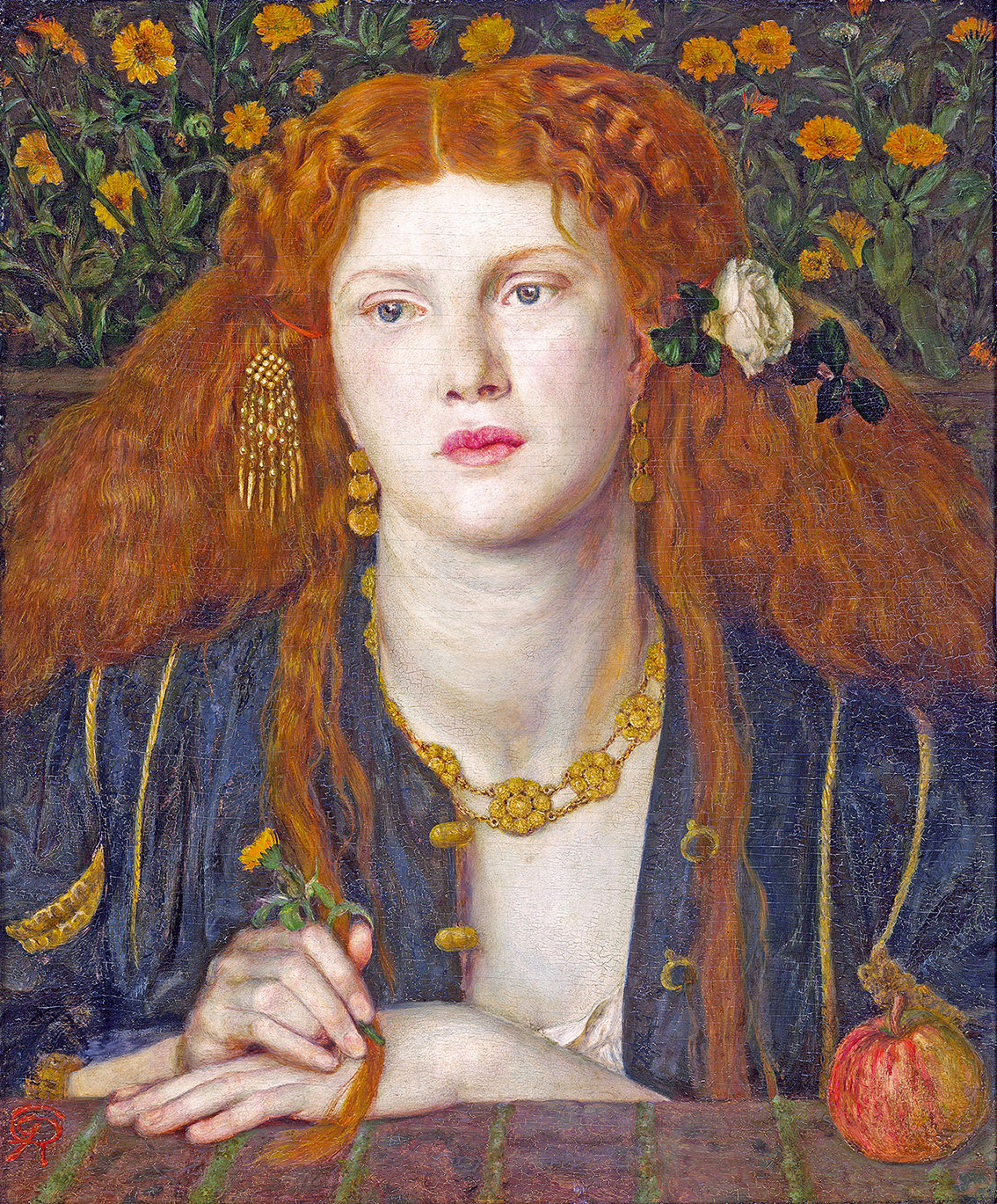
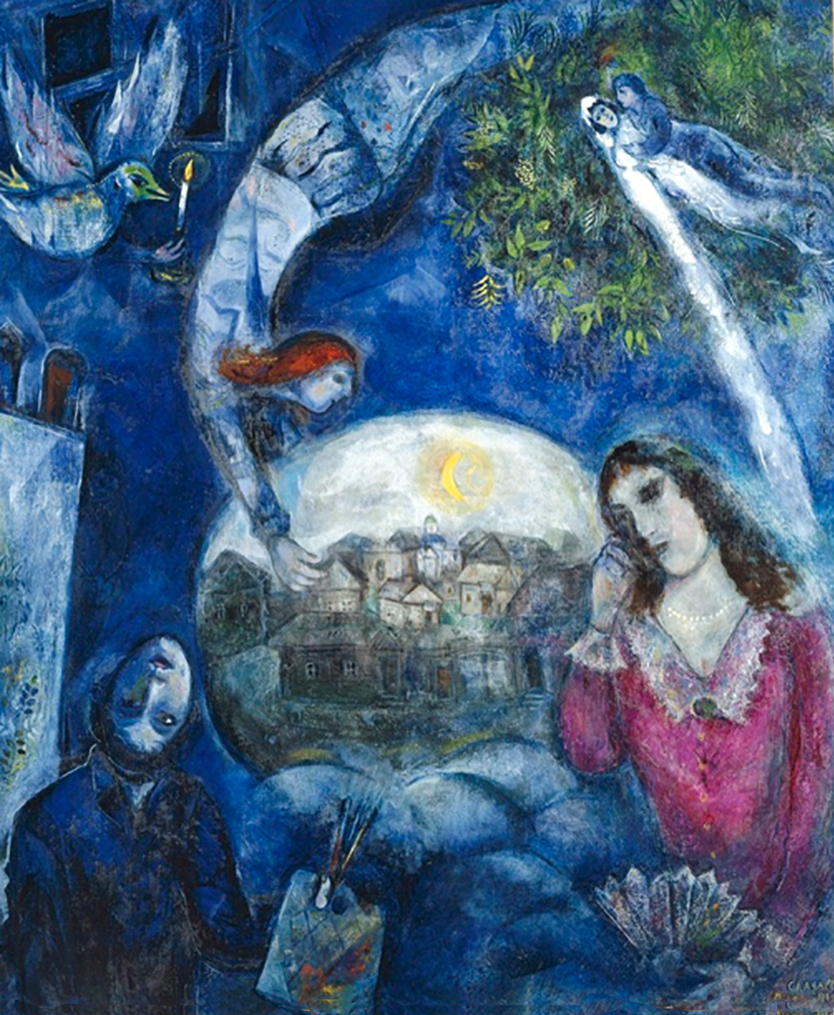
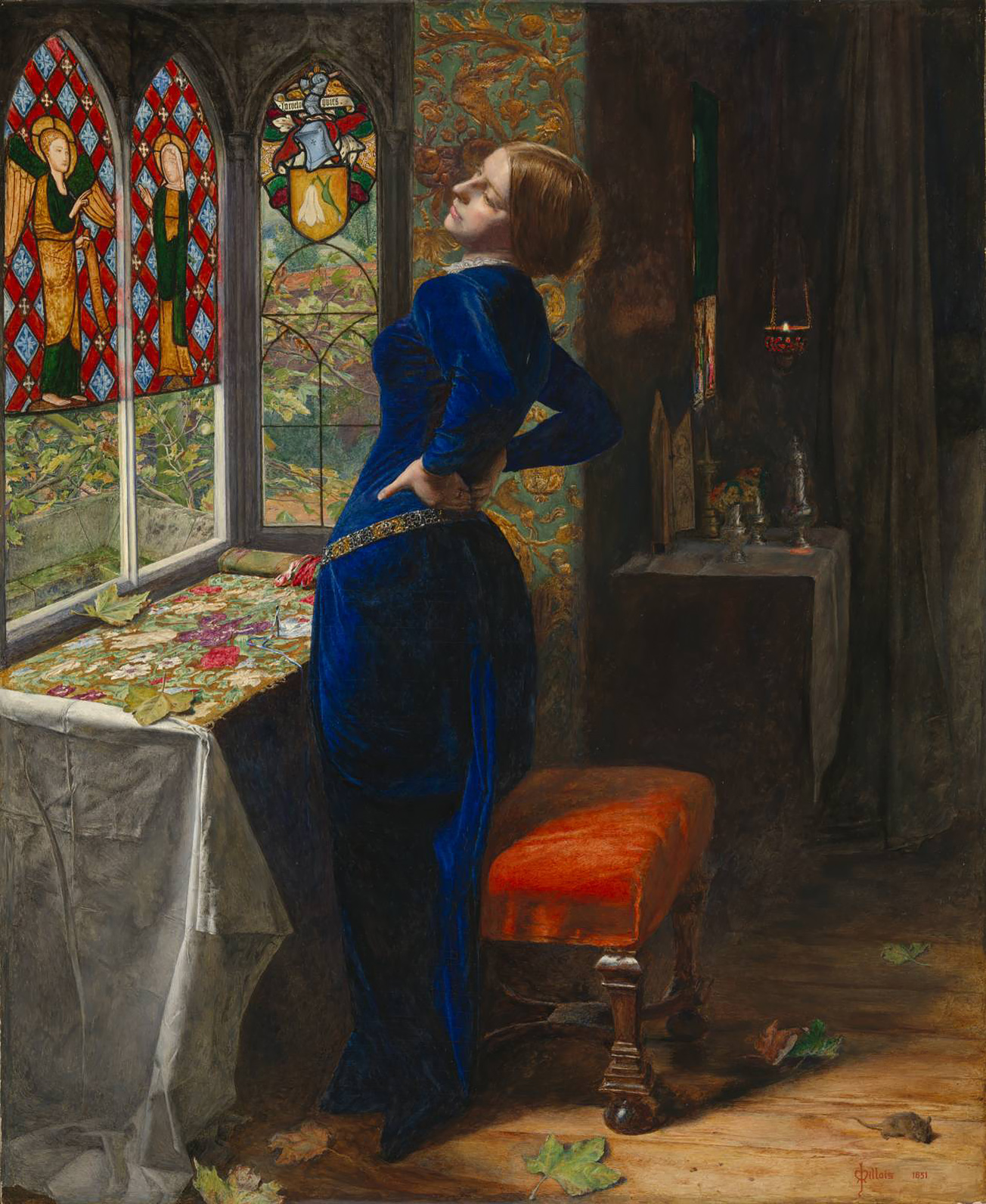
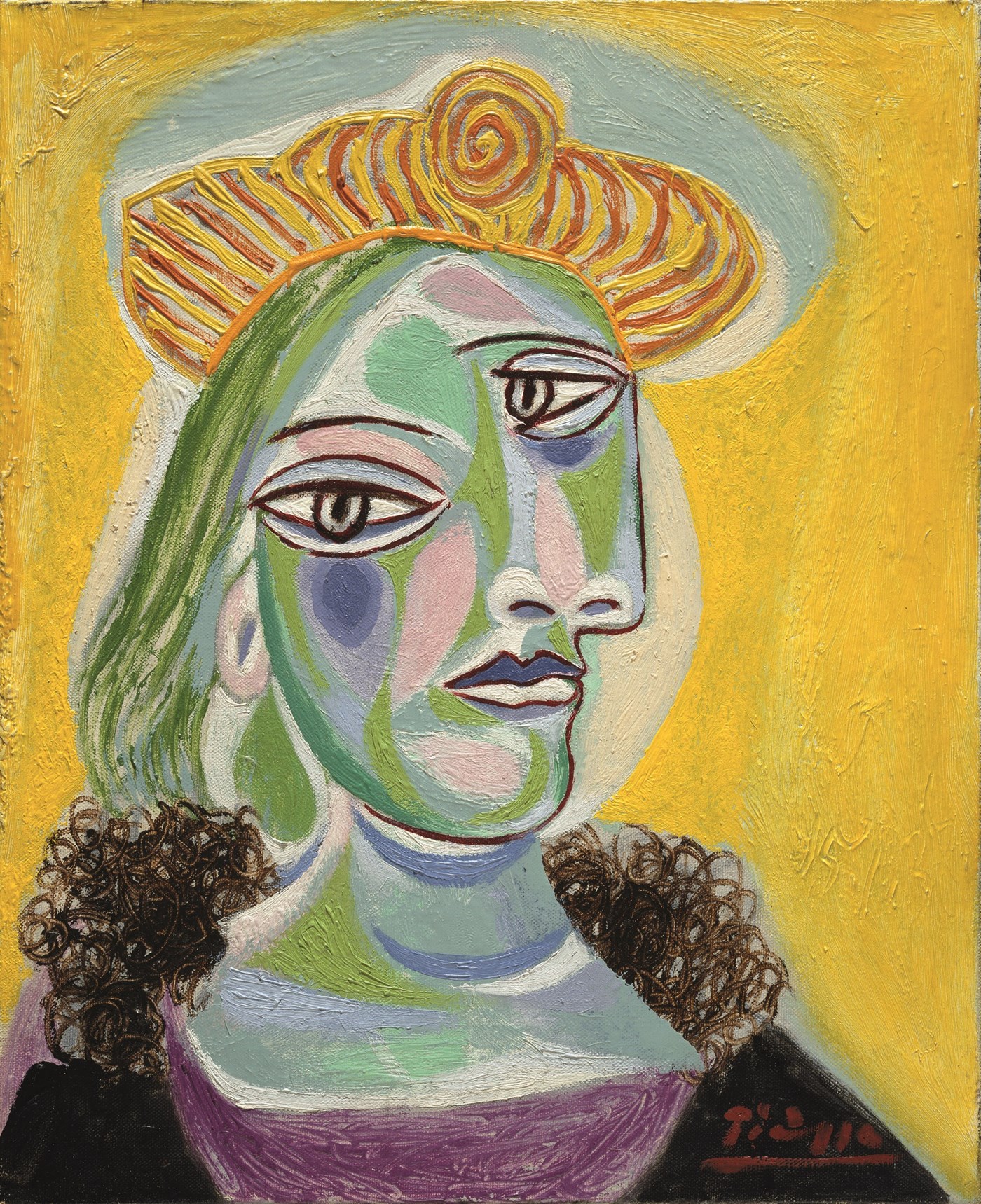
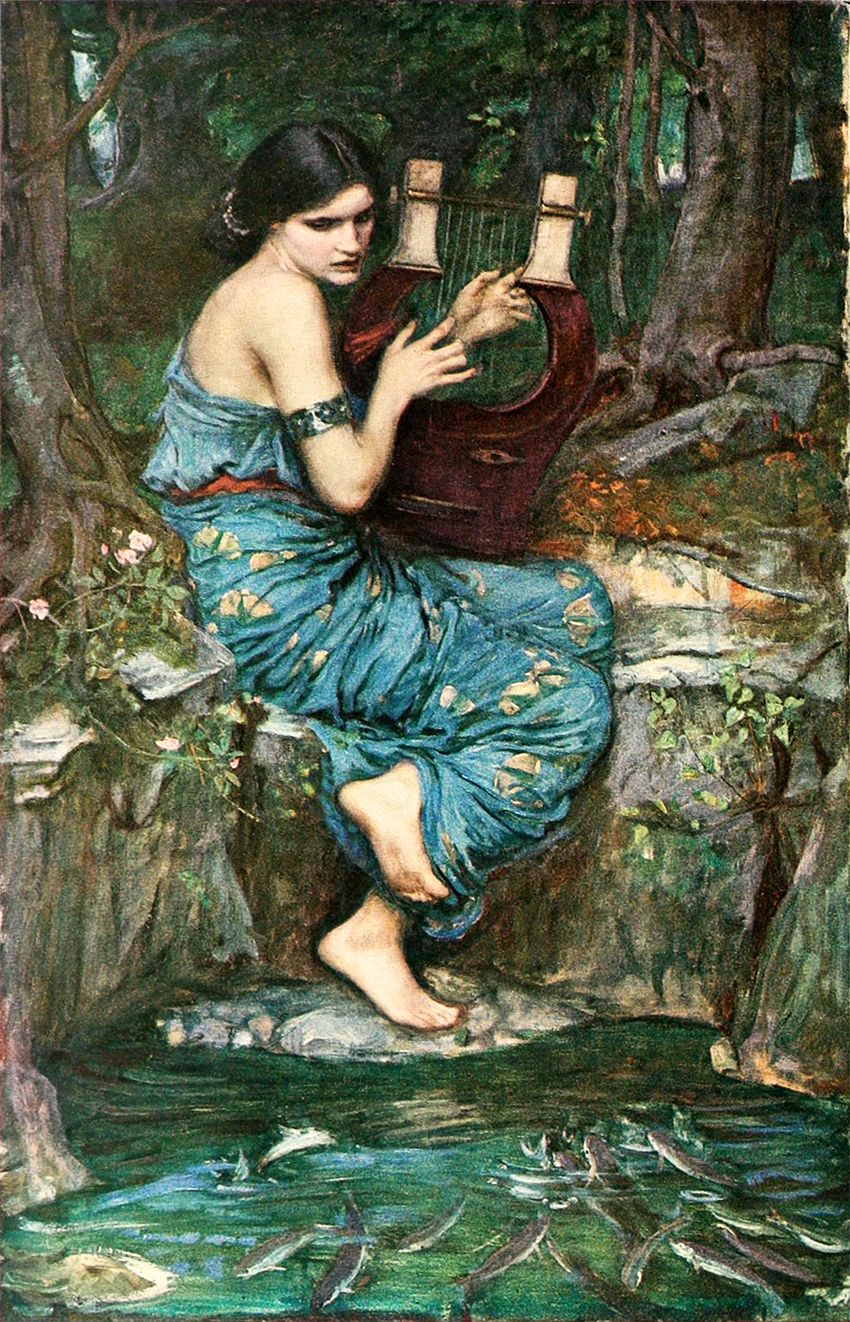
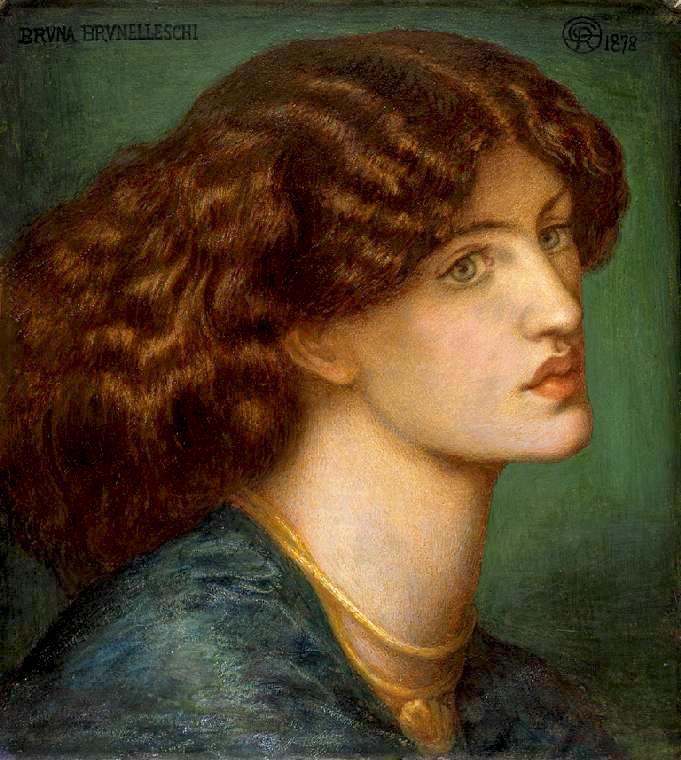

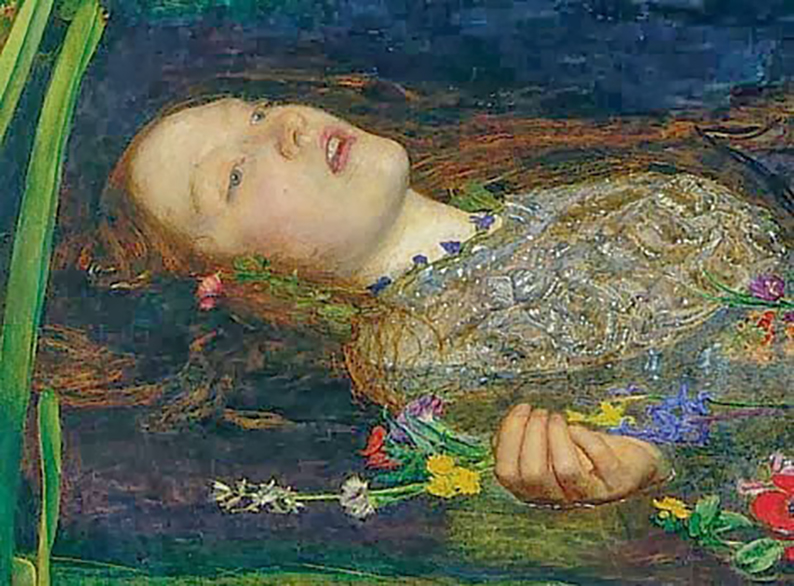
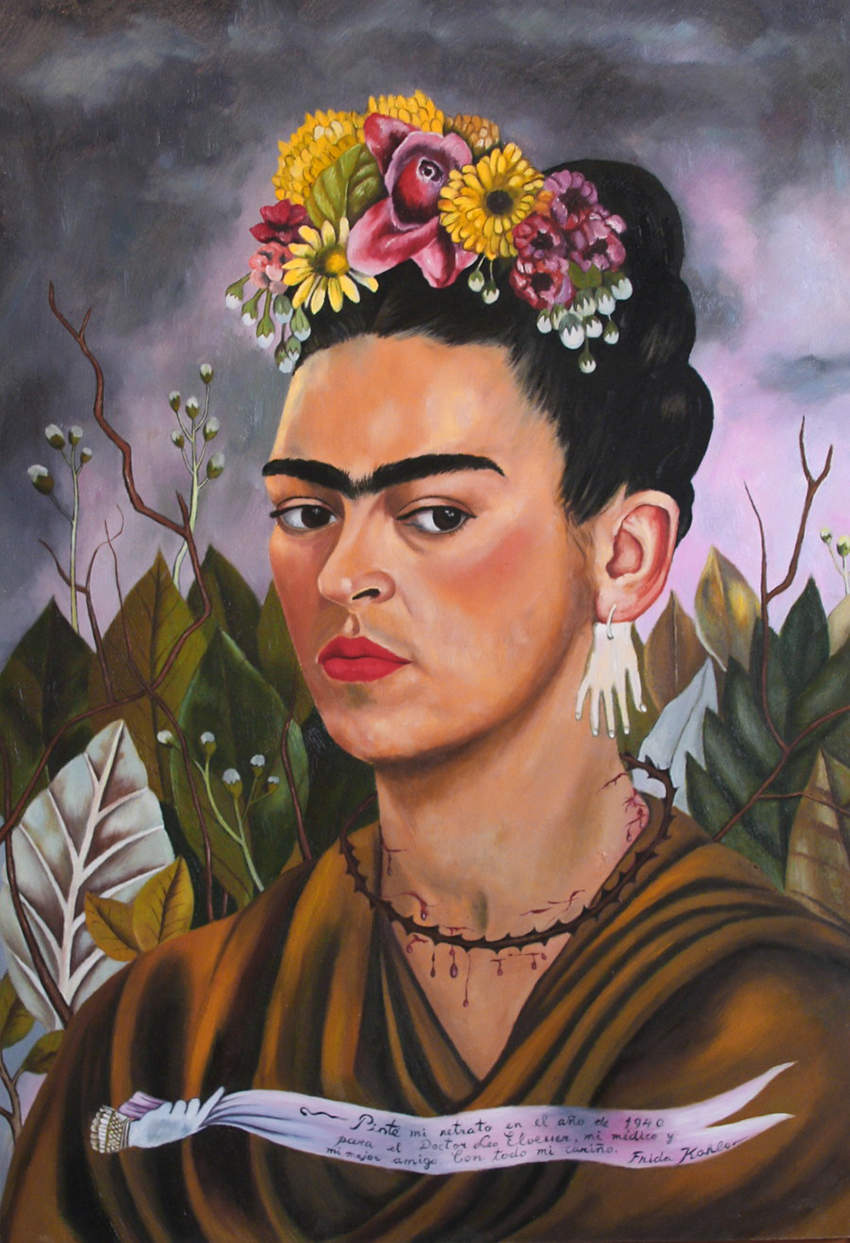
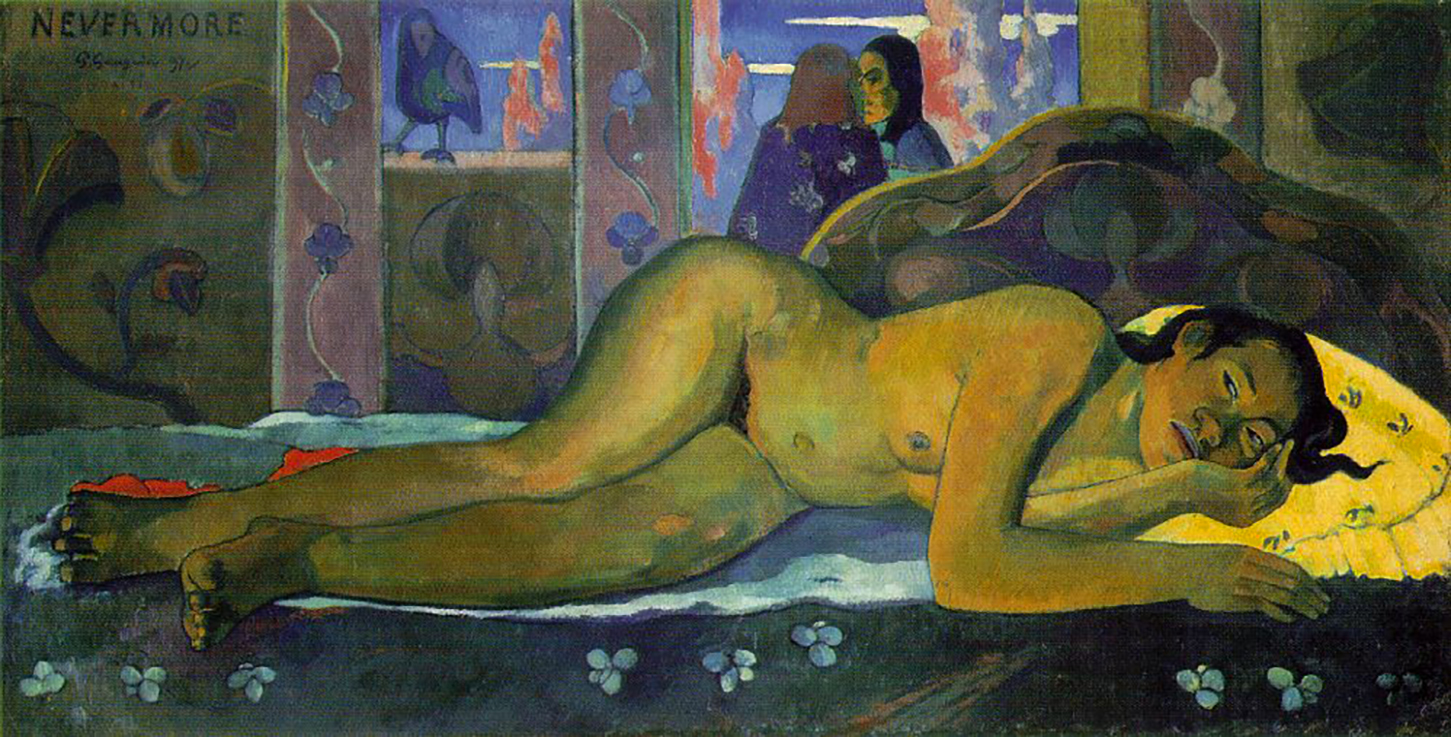
Images that inspire my muses. Click an image to enlarge and read the details.
The beginning
Art, sewing and doll-making have been part of my life for as long as I can remember. When I was seven I was given my first Singer sewing machine, and it quickly became a source of endless fascination. At the time my mother was teaching fashion at St Martins School of Art, and I was fortunate to have a steady supply of off-cuts and fabric scraps; bright cottons, felts and modern printed textiles in dazzling colours. With these I happily constructed dolls, clowns and small animals, discovering early the pleasure of shaping character through cloth. By my teenage years I was making rag dolls to commission while also drawing portraits, earning my first modest income through art.
After completing my degree at Goldsmiths I worked professionally as an illustrator, choosing batik as my principal medium. My enjoyment of fabric, however, never faded, continuing through dressmaking and experiments in soft sculpture. Today those early interests have found a new direction in my series of textile muses.
Bringing together my fascination with art history and my love of constructing figures in cloth feels like a natural progression. Researching artists and their work has become an absorbing and rewarding part of the process, offering the pleasure of studying some of my favourite painters and their paintings in close and thoughtful detail.
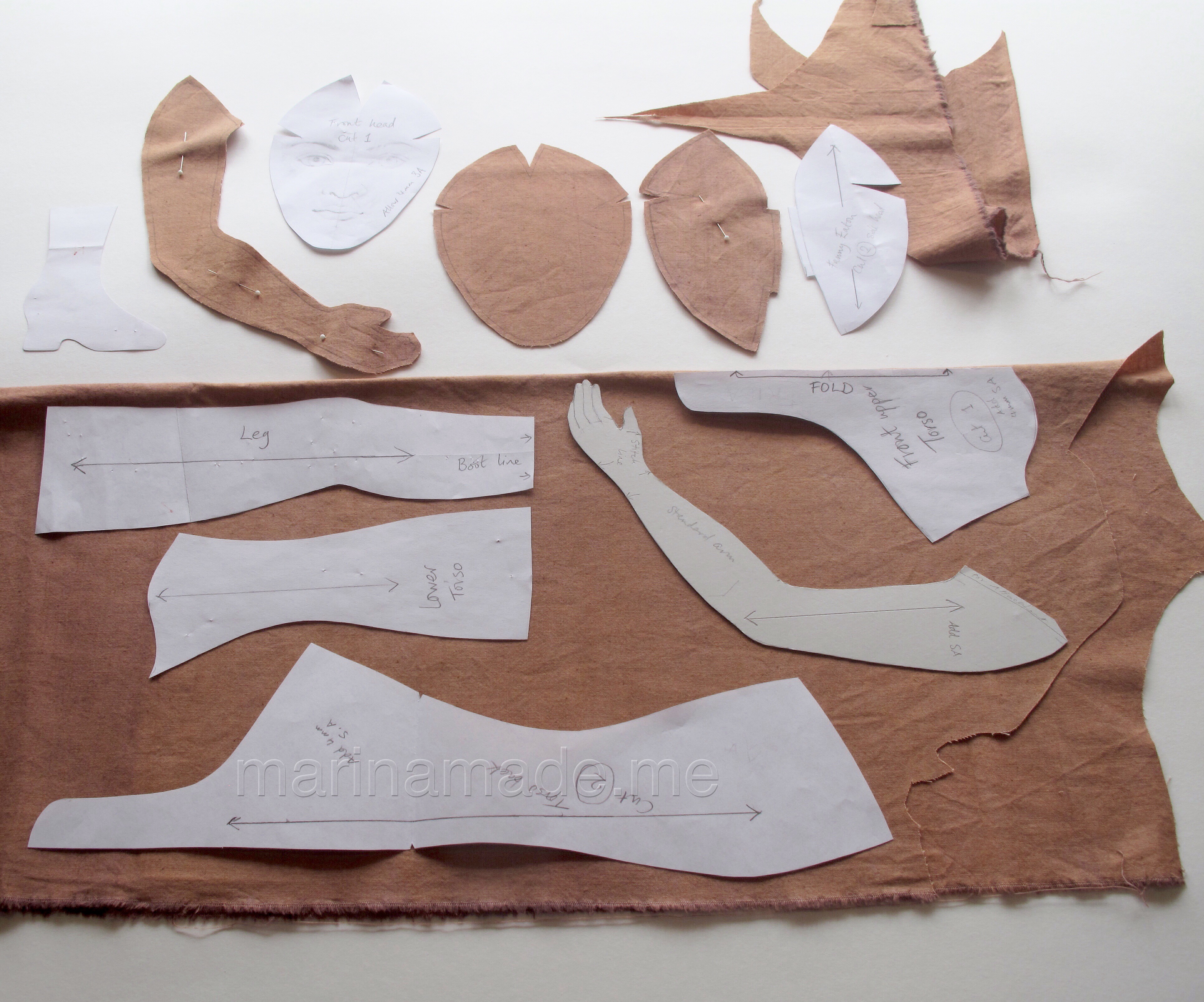
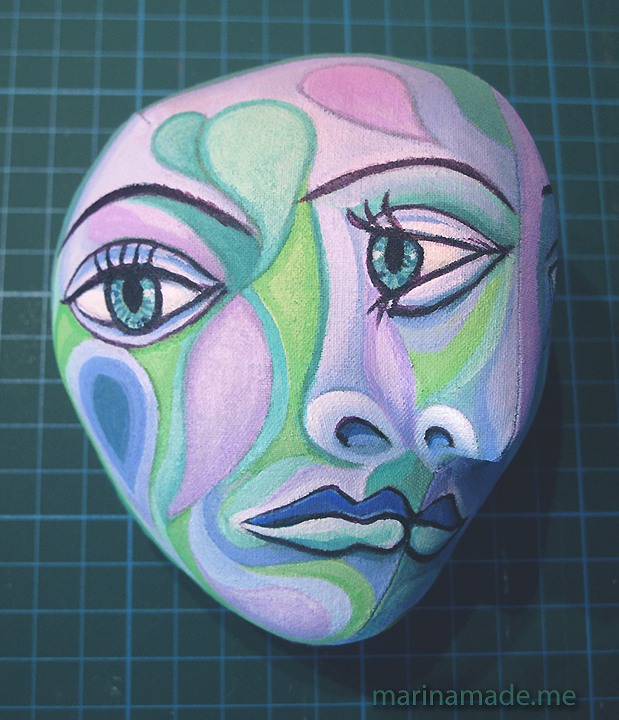
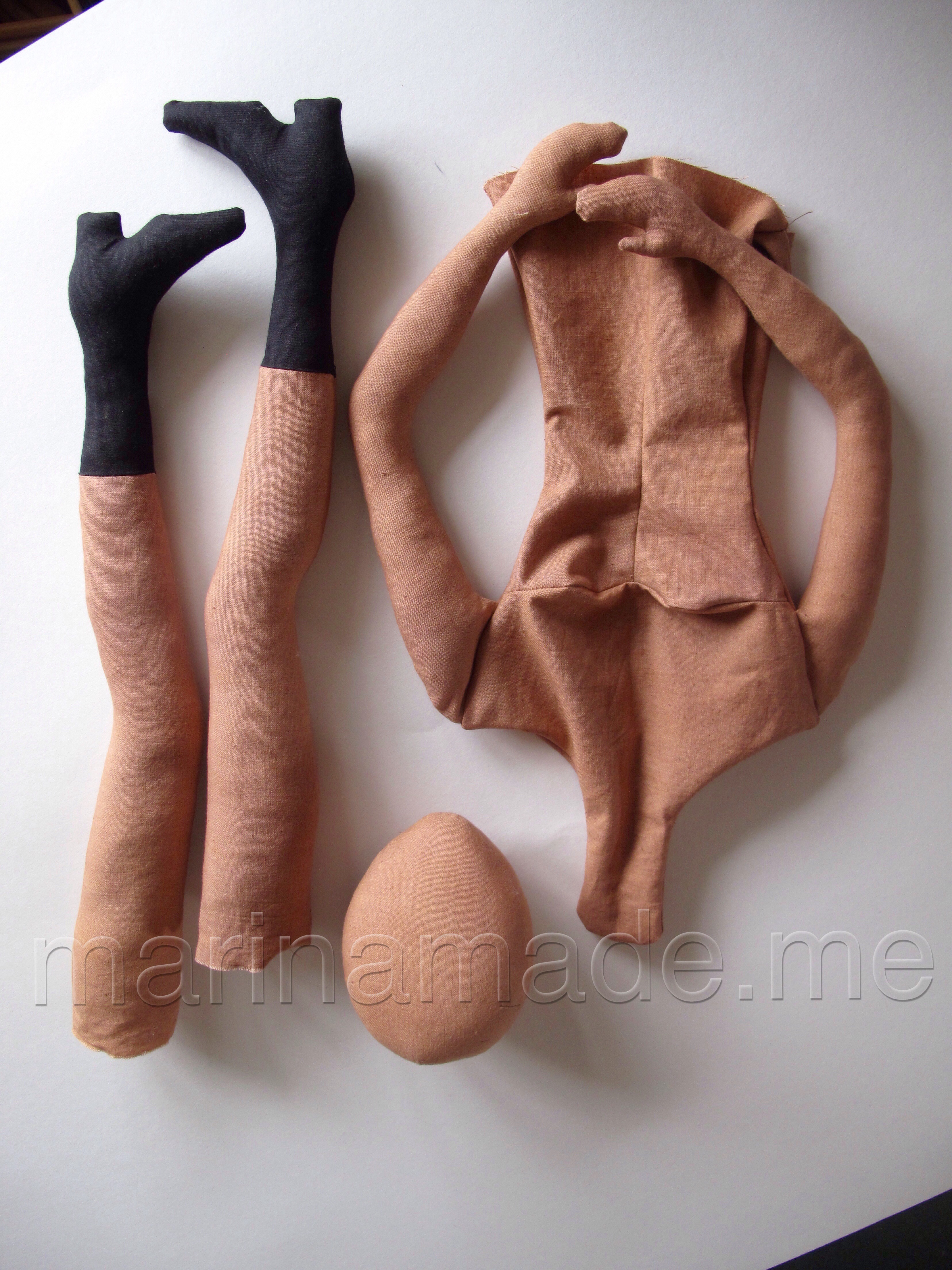
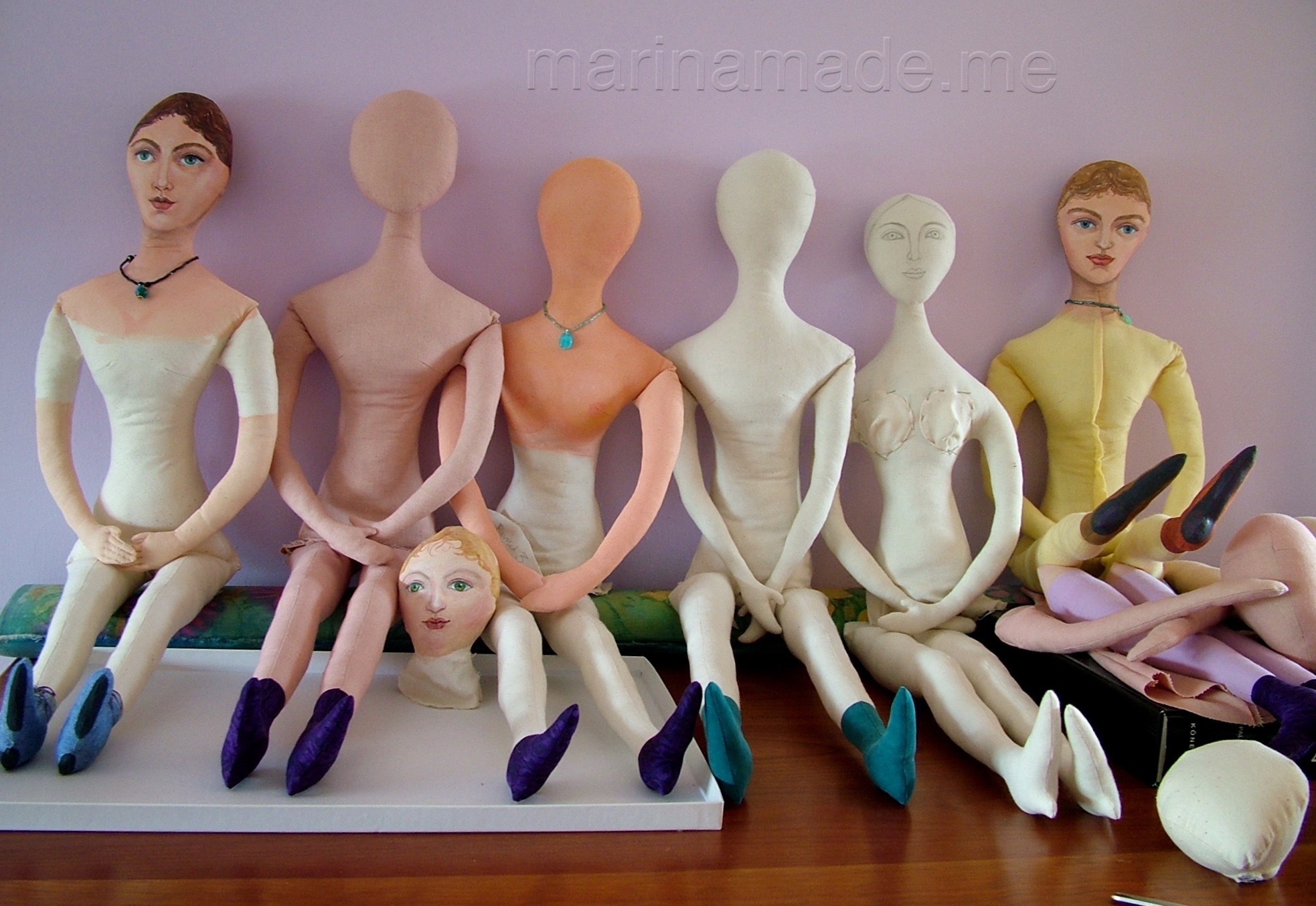


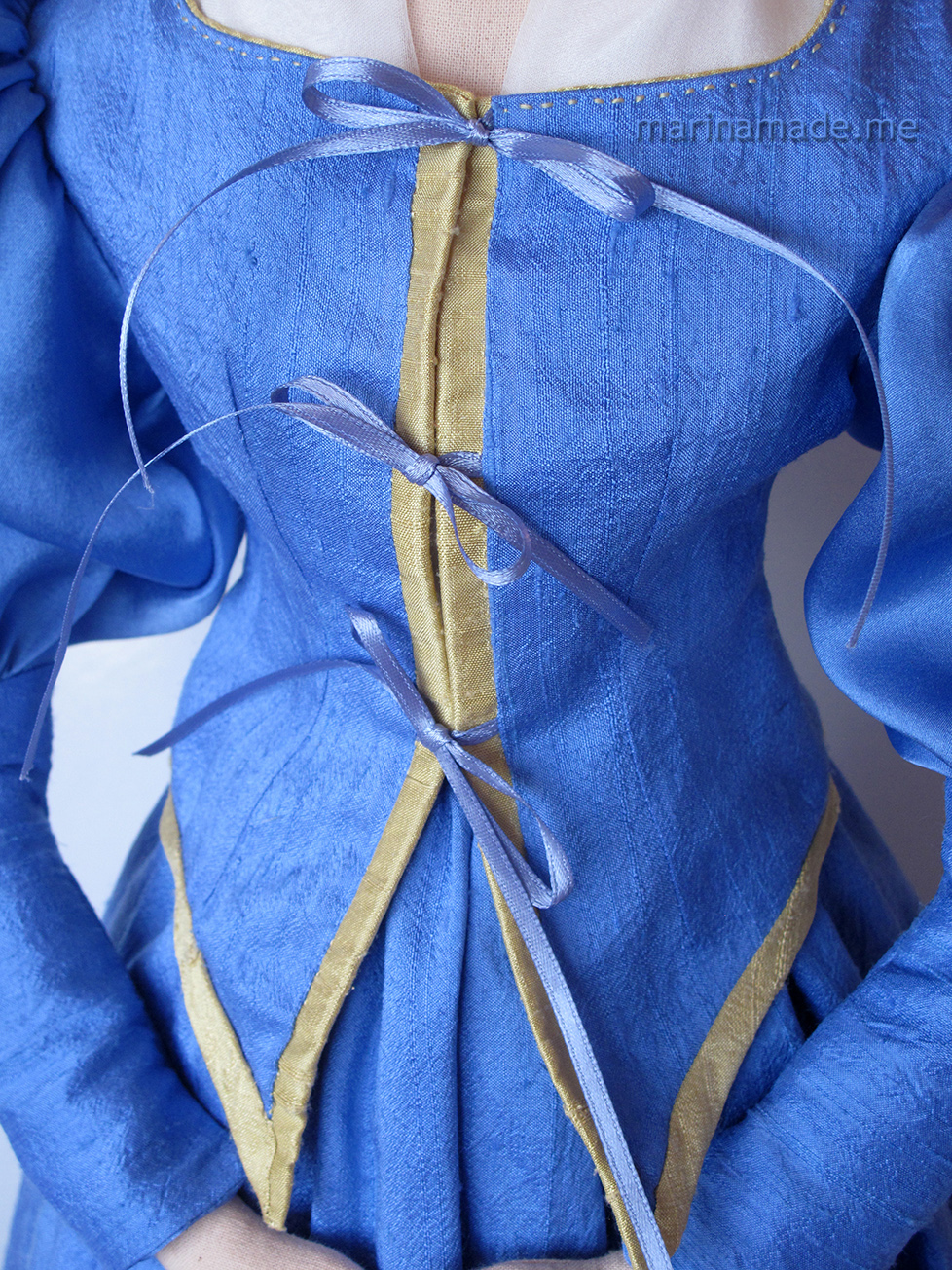
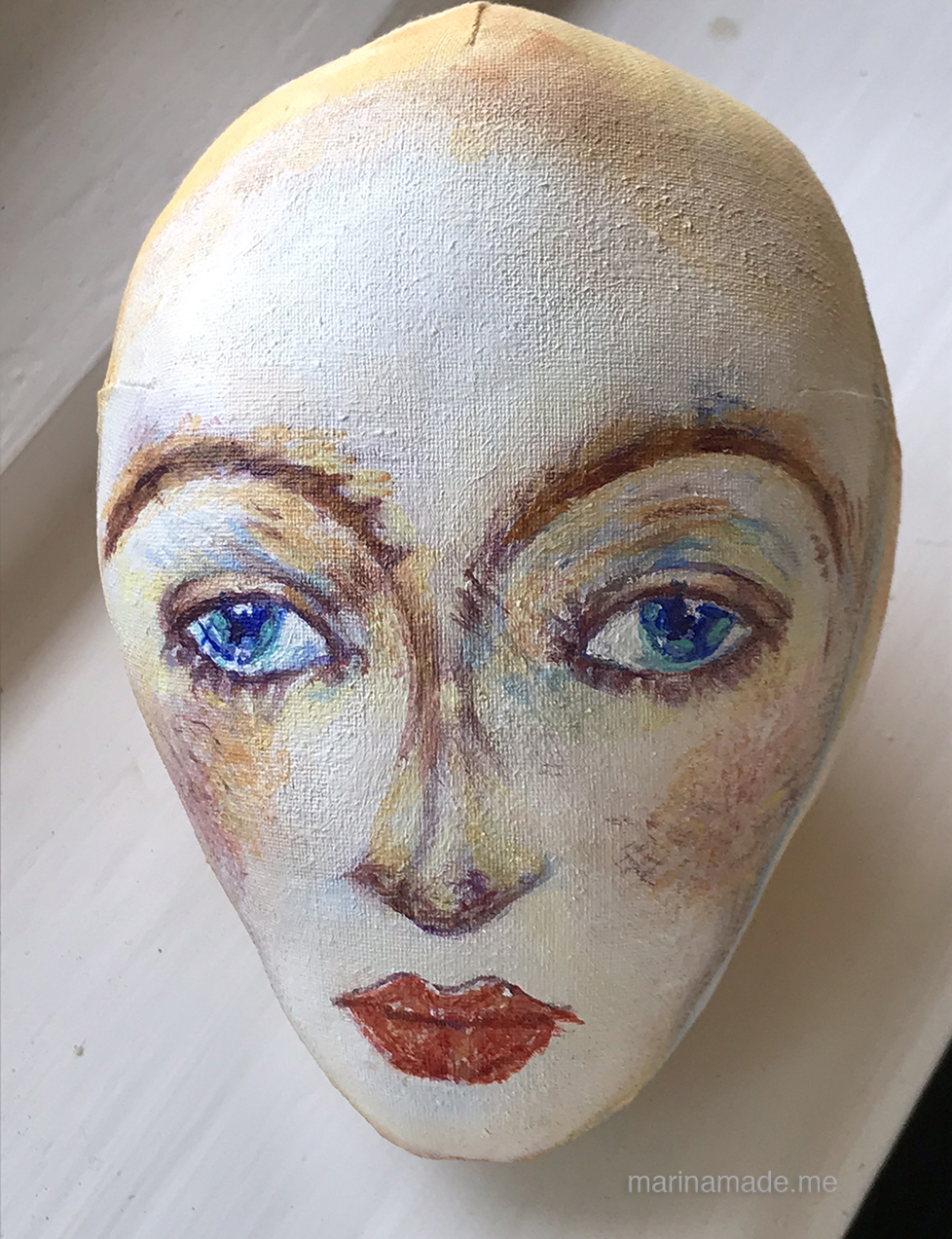
Various images showing the making of a muse. Click on an image for details.
Information about the artist and the life story of each muse is recorded in detail here on my blog, which I hope you will find interesting.
Followers are welcome and comments are sincerely appreciated, so please feel free to write in the box at the very bottom of the blog pages.
 marina's muses